
Why an Alcohol Recovery Center Could Save Your Life
An alcohol recovery center is a professional treatment facility that helps people overcome alcohol addiction through medical detox, behavioral therapy, and ongoing support.
Here’s what these centers typically offer:
- Medical detox — Safe, supervised withdrawal management
- Therapy — CBT, DBT, individual and group sessions
- Levels of care — Inpatient, PHP, IOP, and outpatient programs
- Dual diagnosis — Treatment for co-occurring mental health disorders
- Aftercare — Relapse prevention, alumni programs, and support groups
Alcohol is everywhere. It’s at celebrations, family dinners, and work events. Because it’s legal and socially accepted, it’s easy to miss the point where casual drinking becomes a serious problem.
But the numbers are hard to ignore.
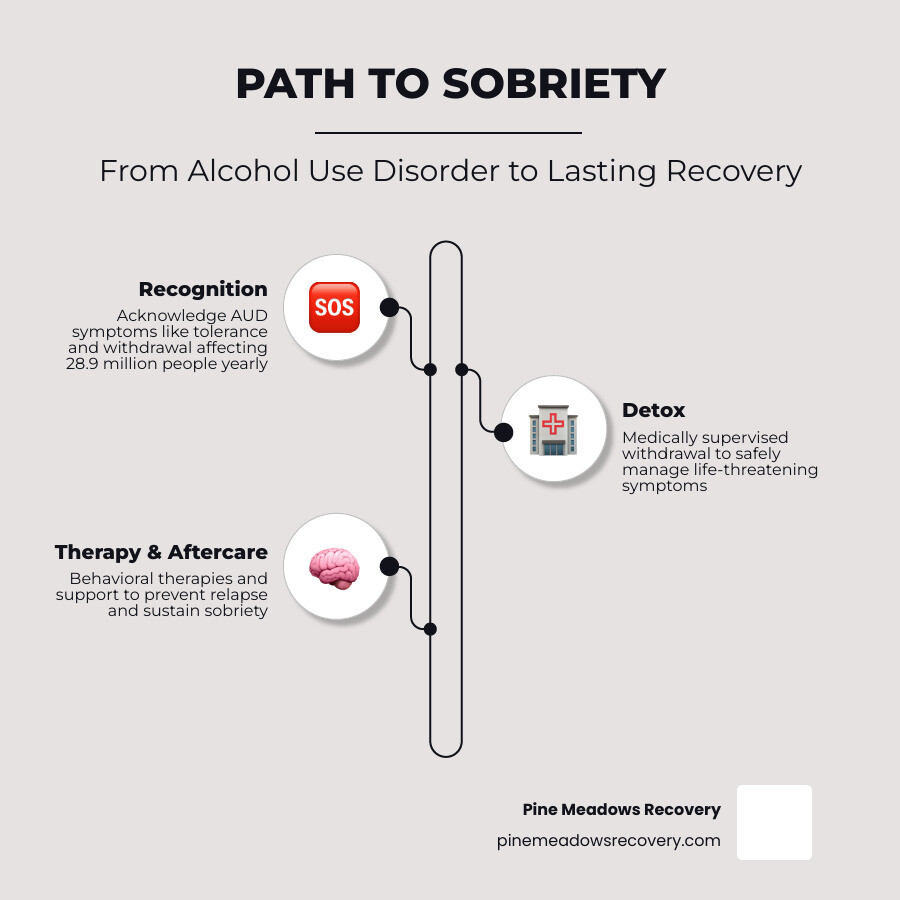
According to the 2023 National Survey on Drug Use and Health, 28.9 million people ages 12 and older had alcohol use disorder (AUD) in the past year. The CDC estimates that around 178,000 people die each year from excessive drinking. Yet only a small fraction of those affected ever seek treatment.
That gap — between people who need help and people who get it — is exactly what alcohol recovery centers exist to close.
Recovery isn’t just about stopping drinking. It’s about understanding why it started, healing the underlying pain, and building a life that doesn’t depend on alcohol. That takes real support, real structure, and real expertise.
At Pine Meadows Recovery, we’ve helped individuals in Kenosha, Wisconsin do exactly that — through personalized, evidence-based programs including partial hospitalization, intensive outpatient, and outpatient treatment, all designed around each person’s unique needs at our alcohol recovery center. If you’re ready to take the first step, this guide breaks down the most important benefits of getting professional help.
1. Medically Supervised Detox and Behavioral Therapy
One of the most dangerous myths about alcohol addiction is that you can simply “quit cold turkey” on your own. For heavy, long-term drinkers, this isn’t just difficult—it can be life-threatening. This is where an alcohol recovery center provides its first and most critical benefit: safety.
The Safety of Medical Withdrawal Management
When someone stops drinking abruptly, the brain, which has become accustomed to the sedative effects of alcohol, goes into a state of hyper-excitability. This leads to withdrawal. Symptoms can range from mild shakiness to severe complications like seizures or Delirium Tremens (DTs).
By choosing Alcohol Detox Wisconsin, you ensure that your vitals are monitored 24/7. Medical professionals use specific protocols to manage these symptoms, ensuring the toxins leave your body as comfortably as possible. This process is essential because it stabilizes the brain chemistry, allowing you to move into the psychological phase of healing with a clear head.
Medication-Assisted Treatment (MAT)
To support long-term sobriety, many centers utilize Medication-Assisted Treatment (MAT). This involves FDA-approved medications that help manage cravings and prevent relapse. Common medications include:
- Naltrexone: Blocks the euphoric effects of alcohol, reducing the “reward” the brain feels from drinking.
- Acamprosate: Helps stabilize brain chemistry that has been altered by chronic alcohol use, particularly useful for maintaining abstinence.
- Disulfiram: Produces an unpleasant physical reaction if alcohol is consumed, acting as a behavioral deterrent.
Recognizing the need for this level of care is the first hurdle. If you are unsure if your drinking has reached this stage, reviewing the 10 Signs You Need Help with Alcohol Treatment Kenosha WI can provide much-needed clarity.
Behavioral Therapies: Rewiring the Mind
Once the body is clear of alcohol, the real work begins. We utilize evidence-based therapies to address the “why” behind the addiction.
- Cognitive Behavioral Therapy (CBT): This helps patients identify and change the negative thought patterns and triggers that lead to drinking.
- Dialectical Behavior Therapy (DBT): Often used in dual diagnosis cases, DBT focuses on emotional regulation and distress tolerance—essential skills for someone learning to live without a liquid crutch.
According to Scientific research on alcohol withdrawal safety, integrated care that addresses both the physical and mental aspects of addiction significantly improves the chances of sustained recovery.
2. Comprehensive Care at an Alcohol Recovery Center
Recovery is not a “one-size-fits-all” experience. A high-quality alcohol recovery center offers a continuum of care that meets you where you are, whether you need 24/7 supervision or a flexible schedule that allows you to live at home.

Levels of Care Explained
Understanding the different levels of care is vital for choosing the right path. At Pine Meadows Recovery, we focus on providing the structure necessary for Kenosha residents to heal.
- Inpatient/Residential Care: This involves living at the facility. It is often recommended for those with severe AUD or those whose home environments are not conducive to sobriety. You can learn more about our local options at our Residential Alcohol Treatment Center Kenosha Wisconsin page.
- Partial Hospitalization Program (PHP): This is a middle ground. Patients receive intensive treatment for several hours a day, five days a week, but return home or to a sober living house at night.
- Intensive Outpatient Program (IOP): This offers more flexibility, allowing individuals to maintain work or school commitments while attending therapy sessions several times a week.
| Feature | Inpatient Care | Outpatient (PHP/IOP) |
|---|---|---|
| Housing | Provided on-site | Patient lives at home |
| Medical Supervision | 24/7 | During treatment hours |
| Intensity | Very High | Moderate to High |
| Cost | Generally higher | Generally more affordable |
| Best For | Severe addiction / High risk | Stable home environment |
For those specifically looking for Drug & Alcohol Rehabs in Kenosha, WI, having these tiered options ensures that treatment can be scaled up or down based on your progress.
Personalized Treatment in an Alcohol Recovery Center
The hallmark of a great program is personalization. During the clinical intake, we conduct a thorough assessment to build an individualized plan. This isn’t just about alcohol; it’s about your history, your health, and your goals.
We also offer specialized tracks. For instance, veteran support is crucial, as those who have served often face unique traumas that require specialized care. Our approach to What We Treat / Alcohol Abuse ensures that every patient feels seen and understood, not just as a “number,” but as a person with a story.
Long-Term Success Rates of an Alcohol Recovery Center
When you look at the data, the benefits of professional centers become undeniable. Nationally, the average treatment completion rate sits at about 52%. However, top-tier centers see dramatically higher numbers. For example, some leading programs report an 83% completion rate and a 93% satisfaction rate.
Why is the success rate so much higher? It’s the combination of evidence-based outcomes, luxury amenities that reduce stress, and specialized staff. By choosing a center with a strong reputation, you are investing in a proven system that prevents you from becoming one of the 178,000 annual deaths attributed to alcohol.
3. Holistic Wellness and Relapse Prevention
In 2026, we understand that recovery is more than just “not drinking.” It is a total lifestyle overhaul. An alcohol recovery center provides the tools to heal the spirit and the body alongside the mind.
Healing the Whole Person
Holistic therapies are no longer “alternative”—they are essential components of modern recovery.
- Nutrition Therapy: Chronic alcohol use depletes the body of essential vitamins. We focus on mindful eating and restoring metabolic health to help regulate mood.
- Mindfulness and Yoga: These practices teach patients how to sit with uncomfortable feelings without reaching for a bottle.
- Spiritual Care: Whether through organized religion or a general sense of connection to the world, spiritual healing helps provide a sense of purpose.
The Stages of Relapse
Relapse doesn’t happen the moment someone takes a drink; it happens weeks or months before. Understanding the “Relapse Process” is a key part of our education.
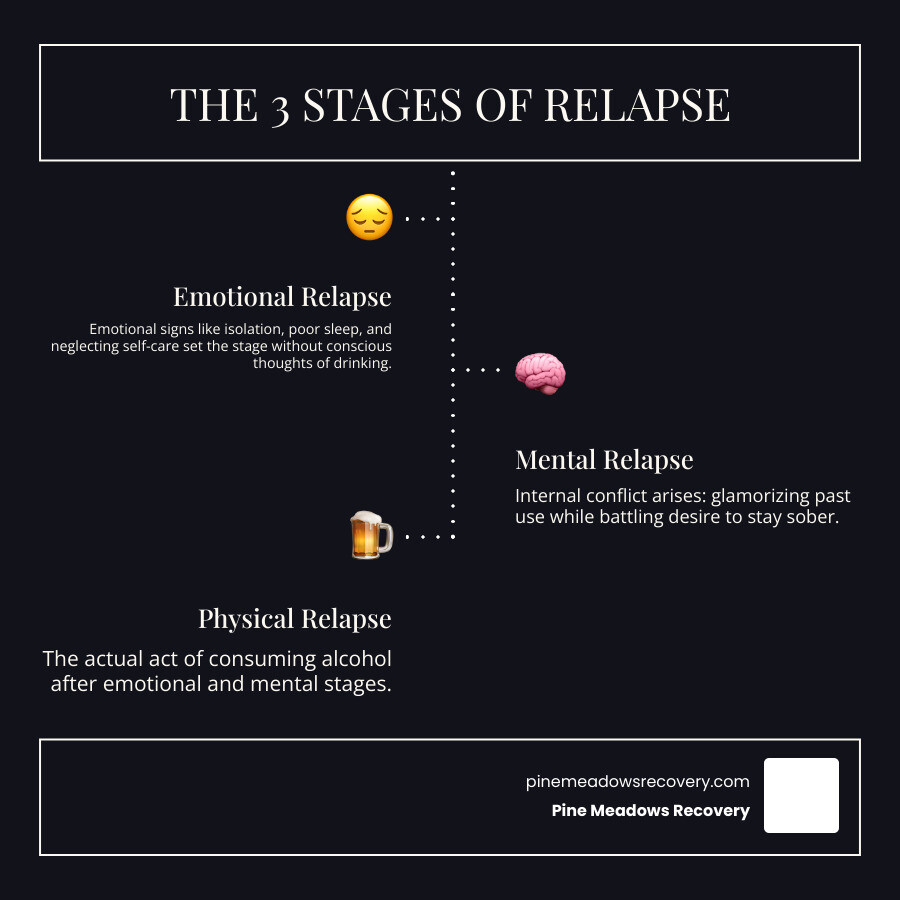
- Emotional Relapse: You aren’t thinking about drinking yet, but your emotions and behaviors are setting the stage (isolation, poor sleep, not attending meetings).
- Mental Relapse: There is a war going on in your mind. Part of you wants to stay sober, but part of you is glamorizing past use.
- Physical Relapse: This is the act of consuming alcohol.
By identifying the signs of emotional and mental relapse early, our alumni can use their “toolbox” to stay on track. This is bolstered by peer support groups like Alcoholics Anonymous (AA) and SMART Recovery, as well as our robust alumni programs that keep you connected to the Kenosha recovery community long after you leave our doors.
4. Navigating Insurance and the First Day of Treatment
The administrative side of rehab can feel overwhelming, but it shouldn’t be a barrier to saving your life.
Financial Assistance and Coverage
Most people don’t realize that insurance often covers a significant portion of alcohol rehab. Under the Family and Medical Leave Act (FMLA), your job is protected while you seek medical treatment for addiction. We work with:
- Private Insurance: Most major providers cover detox and various levels of outpatient care.
- Medicaid: In Wisconsin, certain programs are available for those who qualify.
- Financial Assistance: We can help you navigate payment plans or sliding scale options.
Your First Day: What to Expect
Walking through the doors of an alcohol recovery center for the first time is brave. Here is what typically happens:
- Clinical Intake: A friendly face will sit down with you to discuss your medical history and current needs.
- Safety Search: We check your luggage for restricted items to ensure the environment remains safe for everyone. (Pro tip: Check our packing list before you come!)
- Introduction: You’ll meet your counselor and get an overview of your schedule.
- Family Involvement: We believe addiction is a family disease. Early on, we begin discussing how to rebuild healthy dynamics and involve your loved ones in the aftercare planning.
Frequently Asked Questions
What are the signs of alcohol addiction in 2026?
In 2026, we see a rise in “high-functioning” addiction. Key signs include binge drinking (more than 4-5 drinks in one sitting), an increased tolerance where you need more to feel the same effect, and withdrawal symptoms like morning anxiety or shakiness. If you find yourself neglecting responsibilities or experiencing memory blackouts, it is time to seek a professional assessment.
How does Medication-Assisted Treatment (MAT) work?
MAT uses FDA-approved medications to stabilize brain chemistry. It isn’t “replacing one drug with another.” Instead, it reduces the intense cravings and physical distress that often lead to relapse, allowing the patient to focus fully on their behavioral therapy.
Can I keep my job while in an alcohol recovery center?
Yes. Many of our patients in Kenosha utilize our IOP or PHP programs to maintain their careers. Furthermore, the FMLA provides job protection for those who need to take a leave of absence for medical treatment. Your employer is generally required to keep your health information confidential.
Conclusion
Recovery is a lifelong journey, but it doesn’t have to be a lonely one. The benefits of an alcohol recovery center extend far beyond just putting down the glass—it’s about gaining a community, a new perspective, and a healthier body.
At Pine Meadows Recovery in Kenosha, Wisconsin, we provide the evidence-based healing and compassionate care you need to reclaim your life. From the moment you walk in for your first day of treatment to the years you spend as a thriving member of our alumni community, we are with you every step of the way.
Your journey to a better life starts with a single conversation.