Why a Residential Treatment Program Could Be Your Path to Lasting Recovery
A residential treatment program is an intensive, live-in option for individuals struggling with severe substance use disorders and co-occurring mental health conditions. If you’re searching for comprehensive care that removes you from triggers and provides 24-hour support, here’s what you need to know.
Key Features of Residential Treatment:
- 24/7 Care: Live-in facility with professional supervision.
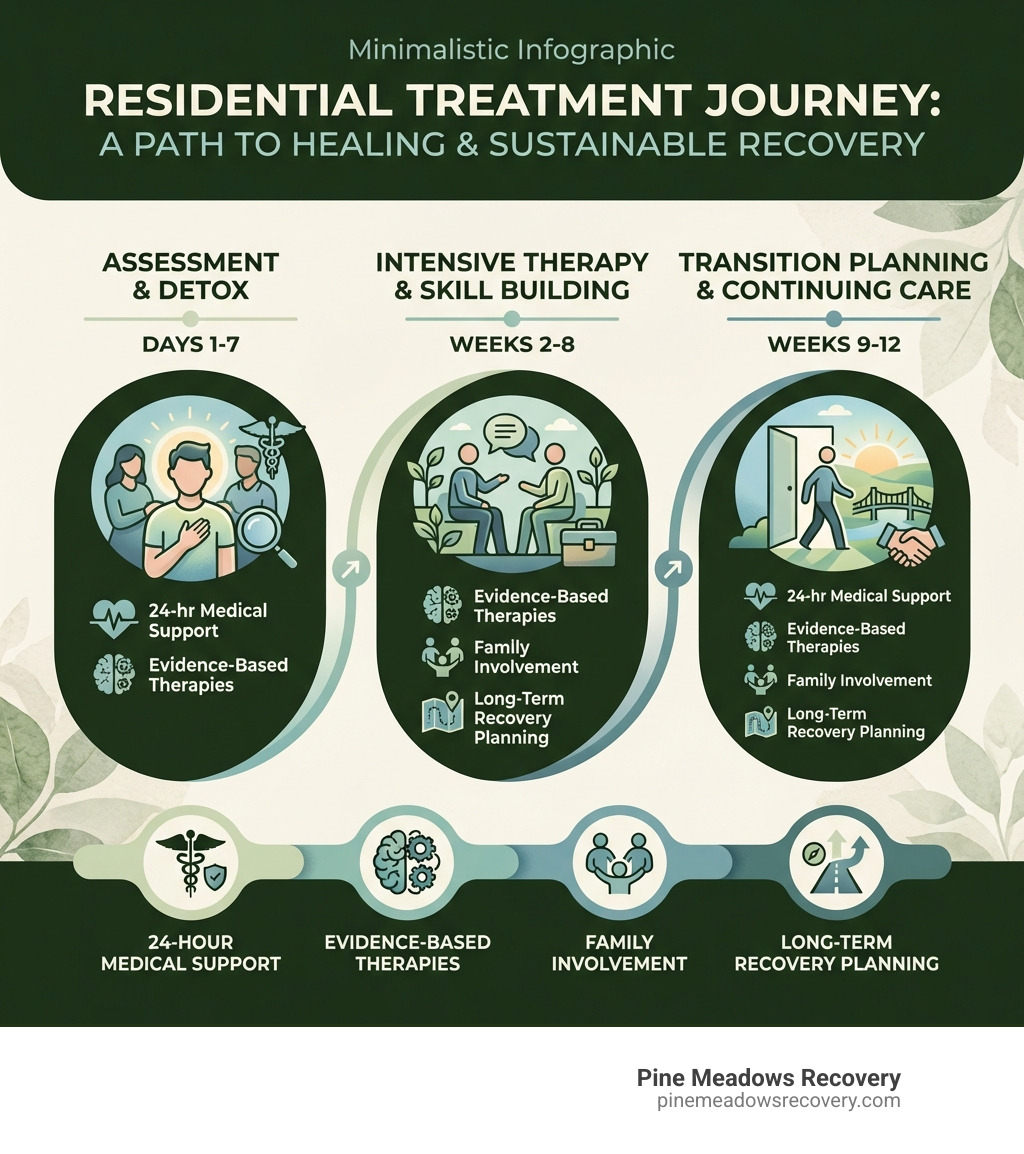
- Duration: Typically 30-90 days, with some programs extending longer.
- Comprehensive Services: Medical detox, individual and group therapy, and psychiatric care.
- Evidence-Based Therapies: CBT, DBT, MAT, and trauma-informed care.
- Structured Environment: A safe setting away from daily stressors.
- Dual Diagnosis Care: Integrated treatment for addiction and mental health conditions like anxiety or PTSD.
Residential treatment provides a sanctuary where you can focus exclusively on healing. Unlike outpatient programs, it removes you from environments and relationships that may contribute to substance use. You’ll live in a supervised facility, participate in daily therapy, and connect with peers who understand your journey. The structured routine helps you develop healthy coping skills and process underlying trauma.
A major advantage of residential care is that treatment is not limited to a few hours per week. Your recovery support continues throughout the day: clinical check-ins, groups, skill building, and time to practice new routines in a protected setting. For many people, that consistency is what makes early sobriety feel possible, especially after repeated relapse or when withdrawal symptoms, cravings, or mood changes make it difficult to stay stable at home.
Residential programs can also be a good fit when your home environment is unpredictable or stressful, when substance use has affected work or relationships, or when you need a clear break from the places and patterns tied to use. The goal is not just abstinence during the stay, but building tools you can bring back into everyday life.
Why choose residential care? It is the highest level of non-hospital addiction treatment, designed for those who need more intensive support than outpatient care can provide. At Pine Meadows Recovery, we guide individuals through every step of the journey toward sustainable recovery at our Kenosha, Wisconsin facility.
Understanding the Residential Treatment Program
A residential treatment program offers an immersive experience where individuals reside at a facility, receiving round-the-clock care. This model allows for a deep dive into the underlying issues contributing to substance use, including stress, trauma, relationship dynamics, and mental health symptoms that can fuel cravings. We believe in providing a safe, home-like environment where you can focus exclusively on wellness.
At Pine Meadows Recovery, our Treatment approach addresses both Substance Abuse and Alcohol Abuse holistically. Scientific research on residential care underscores the effectiveness of structured, comprehensive care for those with serious emotional and behavioral challenges.
Residential care can be especially helpful if you:
- Have tried outpatient therapy or IOP before and struggled to maintain progress.
- Need a more stable, supervised setting to get through early recovery.
- Experience intense cravings or withdrawal concerns that make it hard to stay safe at home.
- Are navigating depression, anxiety, PTSD, or other symptoms that increase relapse risk.
| Feature | Residential Treatment | Outpatient Care |
|---|---|---|
| Environment | 24/7 supervised, drug-free. | Return home daily. |
| Intensity | Highest level of non-hospital care. | Fewer therapy hours per week. |
| Supervision | 24-hour medical/psychiatric support. | Limited onsite supervision. |
| Focus | Holistic healing and root causes. | Primarily therapy sessions. |
Core Services and Evidence-Based Therapies
Often, the first step is Detoxification, where the body is safely cleared of substances under medical supervision. Following detox, we create a personalized plan integrating advanced neurocognitive technologies with traditional therapies.
Common components of a residential schedule may include individual therapy, group counseling, psychoeducation, coping-skill practice, and time to reset sleep, nutrition, and daily routines. This repetition matters: recovery skills are learned the same way other skills are learned, through practice and feedback.
- Cognitive Behavioral Therapy (CBT): Identifying and changing negative thought patterns.
- Dialectical Behavior Therapy (DBT): Skills in mindfulness, distress tolerance, and emotion regulation.
- Medication-Assisted Treatment (MAT): Combining behavioral therapy with medications to reduce cravings.
- 12-Step Facilitation: Structured pathways based on peer support and spiritual principles.
- Neuroplasticity: Using neurotherapy to optimize brain function and resilience.
- Individual & Group Counseling: Personalized attention and peer support to reduce isolation.
- Holistic Care: Nutrition, mindfulness, and physical activity to develop a balanced lifestyle.
Specialized Residential Treatment Program Populations
No two recovery stories are the same. A quality residential treatment program adapts to the person, not the other way around.
- Dual Diagnosis: Our What We Treat: Dual Diagnosis approach ensures integrated treatment for addiction and Mental Health issues simultaneously.
- Trauma-Informed Care: Recognizing the impact of trauma and incorporating therapies like EMDR.
- Women-Centered & LGBTQIA+ Inclusive Care: Addressing unique challenges, gender-specific trauma, and identity development in a safe, affirming environment.
- Pregnant Women: Priority admission to ensure timely intervention for mother and child.
If you are unsure whether residential care is the right level for you, an assessment can help clarify risk factors (like recent overdose, unstable mental health symptoms, or a high-risk living environment) and match you to the safest, most effective next step.
Navigating Admission, Referrals, and Costs
Starting a residential treatment program is a significant step. Understanding the practicalities can help ease the process.
Eligibility and Referrals:
General eligibility often includes a moderate to severe substance use disorder diagnosis, a high risk of relapse, or co-occurring mental health disorders. Referrals can come from:
- Self-referral: Contact us directly or use a Patient self-referral form.
- Healthcare Providers: Doctors or therapists can initiate the process.
- Family or Social Services: Family members or social service professionals can also provide referrals.
Once you reach out, most programs follow a predictable set of steps to reduce uncertainty:
- Confidential intake call: A conversation about substances used, frequency, medical history, and immediate safety concerns.
- Clinical assessment: Helps determine whether residential care, detox, or another level of care is appropriate.
- Insurance and payment review: Clarifies coverage and anticipated out-of-pocket costs.
- Admission planning: What to bring, what not to bring, and how to coordinate work, school, and family responsibilities.
Cost and Funding:
- Insurance: Most private plans cover residential care. Use our Insurance Verification service to understand your benefits. Yes, Your Insurance Likely Covers Rehab, and we can help you decode your policy.
- Public Resources: In Wisconsin, the Kenosha County Division of Behavioral Health Services provides information on assistance programs. SAMHSA-compliant programs adhere to federal standards, facilitating coverage through various payers.
- State Programs: Wisconsin’s Qualified Residential Treatment Programs (QRTP) may be relevant for specific youth populations.
If you are comparing options, ask detailed questions about what is included in the daily rate (clinical services, psychiatric support, medications, lab work, and continuing care planning). Clear answers help you make an informed decision and avoid surprises.
Typical Length of Treatment
- Short-Term (30-90 days): Ideal for stabilization, detox, and building foundational coping skills.
- Long-Term (3-15 months): Beneficial for complex cases or chronic relapse, allowing for deeper therapeutic work and life skills development.
- Youth & Specialized Stays: Durations vary based on age and specific needs, such as women’s 21-day programs followed by continuing care.
Length of stay is not about “staying as long as possible.” It is about staying long enough to stabilize, learn skills, and create a realistic plan for the next stage of care. Many people benefit most when residential treatment is paired with step-down services (like PHP or IOP) rather than trying to jump directly back to the same stressors without support.
The Role of Family and Support Systems
Addiction is a family disease. Treating the whole family is essential for healthy recovery:
- Family Counseling: A safe space to improve communication and address past hurts.
- Education: Helping families understand addiction and relapse prevention.
- Support Groups: Connecting with others through resources like this Support group flyer.
- Boundaries: Learning to set healthy limits that protect both the individual and their loved ones.
Family involvement can also make discharge planning more effective. When loved ones understand triggers, medications (if used), and early warning signs of relapse, they are better prepared to provide healthy support without enabling. For clients who prefer privacy, involvement can be custom based on consent and what feels clinically appropriate.
Transitioning to Continuing Care and Long-Term Success
Completing a residential treatment program is just the beginning. Transitioning back into daily life requires a personalized “continuing care” plan.
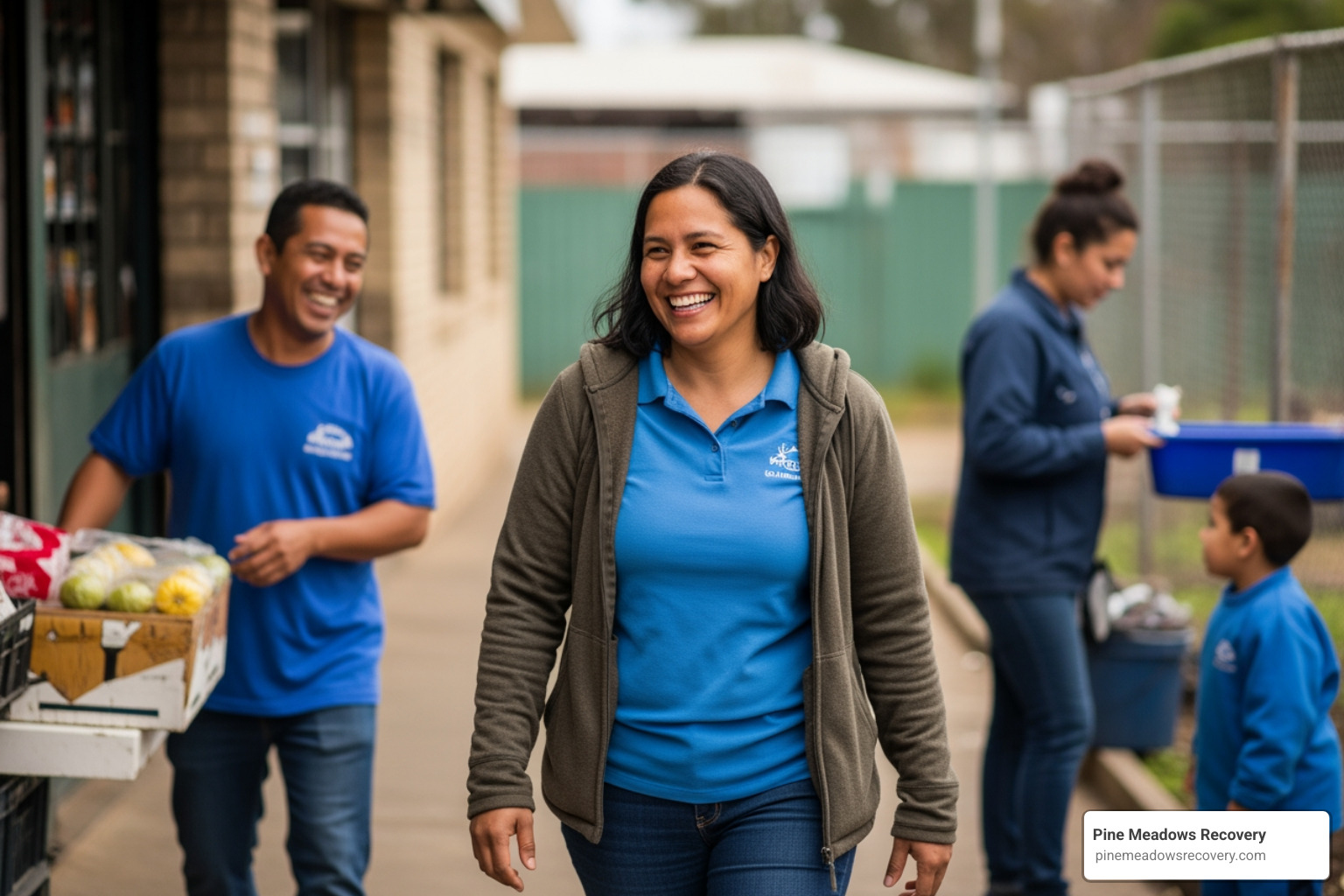
- Stepped-Down Care: Many benefit from transitioning through Partial Hospitalization (PHP), an Intensive Outpatient Program (IOP), or standard Outpatient Programs.
- Sober Living: Sober Living homes provide a substance-free environment and accountability during reintegration.
- Relapse Prevention: Learning to identify triggers and implement coping strategies like mindfulness.
- Alumni Support: Staying connected with a supportive community post-treatment.
- Life Skills & Vocational Training: We assist with job placement, financial literacy, and establishing healthy routines to support independent living.
- Community Connections: Helping individuals find 12-Step meetings and volunteer opportunities to build a network beyond the facility.
Frequently Asked Questions about Residential Care
What are the main benefits of residential treatment over outpatient care?
- Structure: A daily routine that establishes healthy habits and discipline.
- Removal from Triggers: Physical separation from people and places that trigger use.
- 24/7 Support: Immediate access to medical and clinical staff for safety and emotional crises.
- Immersive Wellness: Every aspect of the day is geared toward physical and mental healing.
- Peer Community: Living with others on a similar journey reduces isolation.
- Integrated Care: Coordinated therapies and life skills training address the whole person.
How do virtual components integrate with residential programs?
- Assessment: Virtual platforms allow for initial consultations and intake from home.
- Family Involvement: Telehealth facilitates family counseling and workshops for distant relatives.
- Continuing Care: Virtual recovery programs and online therapy provide a seamless transition and ongoing accountability after leaving the facility.
- Hybrid Models: Combining in-person treatment with virtual follow-ups helps overcome scheduling or cost barriers.
What happens if I have a co-occurring mental health disorder?
We specialize in What We Treat: Dual Diagnosis. Our approach includes:
- Integrated Treatment: Addressing addiction and mental health simultaneously.
- Psychiatric Care: Coordinated medication management and stabilization.
- Specialized Therapies: Using CBT, DBT, and trauma-informed modalities like EMDR to process underlying issues.
- Skill Building: Training clients to stay calm and manage stress effectively.
- Holistic Support: Mindfulness and yoga to improve overall mood and mental well-being.
Conclusion
Choosing a residential treatment program is a brave decision that offers the structure and intensive care needed for lasting sobriety. From medical detox to evidence-based therapies and continuing care, every step is designed to build a strong foundation for your future.
At Pine Meadows Recovery in Kenosha, Wisconsin, we provide client-centered, holistic care custom to your unique journey. Our team is committed to helping you develop the skills and support system necessary for a fulfilling life in recovery.
To learn more about our philosophy, visit our About Us page. For questions or to begin your journey, please Contact Us.
Take the first step toward a healthier future. Start Your Recovery Journey with Pine Meadows Recovery today.