Why Effective Substance Abuse Treatment Matters More Than You Think
Effective substance abuse treatment is not a single event — it’s a structured, ongoing process that combines evidence-based therapies, medication, and long-term support to help people reclaim their lives from addiction.
Here’s a quick overview of what works:
- Evidence-based therapies — Cognitive Behavioral Therapy (CBT), Dialectical Behavior Therapy (DBT), and Motivational Interviewing are among the most proven approaches
- Medication-Assisted Treatment (MAT) — FDA-approved medications like methadone, buprenorphine, and naltrexone reduce cravings, prevent overdose, and support recovery
- Long-term support — Treatment lasting 18 months or more gives people a 23.9% greater chance of achieving abstinence or moderate use compared to shorter programs
- Personalized care — No single treatment works for everyone; plans tailored to the individual consistently produce better outcomes
- Relapse management — Relapse rates of 40–60% are normal and comparable to other chronic conditions like diabetes; relapse signals a need to adjust treatment, not give up
The reality is that addiction is a chronic, treatable condition — and 75% of people who receive treatment eventually recover.
But getting the right help, in the right setting, for long enough? That’s where most people struggle.
At Pine Meadows Recovery, we specialize in delivering effective substance abuse treatment through flexible, personalized programs — including Partial Hospitalization, Intensive Outpatient, and Outpatient care — from our Kenosha, Wisconsin facility. Our experienced team is here to help you find a path to lasting recovery that fits your life.
Understanding Substance Use Disorder as a Chronic Condition
When we talk about substance use disorder (SUD), we aren’t talking about a lack of willpower or a moral failing. As we move through 2026, the medical community increasingly recognizes SUD as a chronic brain disease. This condition fundamentally alters the brain’s reward system, specifically the dopamine pathways that govern pleasure, motivation, and decision-making.
In the clinical world, professionals use the DSM-5 criteria to diagnose the severity of the disorder based on eleven specific signs, such as strong urges to use, increased tolerance, and failed attempts to cut down. If a person meets two to three of these signs, it’s considered a mild disorder; six or more indicates a severe condition.
The most important takeaway from the Principles of Drug Addiction Treatment is that because addiction changes the brain, it must be managed like any other chronic illness. We often compare it to diabetes, asthma, or high blood pressure. Just as a person with diabetes might experience a spike in blood sugar and need to adjust their insulin, a person with SUD might experience a relapse and need to adjust their treatment plan.
The Shift from Acute to Chronic Care Models
For a long time, the “rehab” model focused on acute care—think of it like a broken arm where you go in, get a cast, and you’re “fixed” in 30 days. However, the latest scientific research on addiction as a chronic disease shows that this approach doesn’t suit everyone.
We are seeing a major paradigm shift toward long-term recovery management. This includes “Recovery Management Check-ups,” where clinicians stay in touch with patients for years, not just weeks. By proactively monitoring health and offering support before a crisis hits, we can significantly reduce the time between a potential slip-up and getting back on track.
Why 75% of People Eventually Recover
If you are feeling discouraged, remember this: 75% of people who experience addiction and receive treatment eventually reach a point of stable recovery. This high success rate is thanks to the brain’s incredible neuroplasticity—its ability to heal and forge new neural pathways over time.
Recovery is a longitudinal journey. While it might take a median of nine years to achieve a full year of sustained abstinence, the persistence pays off. At Pine Meadows Recovery, we focus on that resilience, helping our Kenosha neighbors build the skills necessary for that long-term transformation.
The Science of Effective Substance Abuse Treatment: Evidence-Based Therapies

To achieve effective substance abuse treatment, we rely on “evidence-based” practices. These are therapies that have been rigorously tested and proven to work in clinical trials.
- Cognitive Behavioral Therapy (CBT): This is the gold standard of addiction counseling. It helps you identify “thinking traps” and triggers that lead to substance use, teaching you how to reshape those thoughts and develop healthy coping mechanisms.
- Dialectical Behavior Therapy (DBT): Originally designed for complex emotional regulation, DBT is incredibly effective for addiction. It focuses on four key areas: mindfulness, distress tolerance, emotion regulation, and interpersonal effectiveness.
- Motivational Interviewing (MI): This is a client-centered approach used early in treatment to help individuals find their own internal motivation to change. It’s about meeting you where you are, not forcing you into a box.
- EMDR and Trauma-Informed Care: Since many people use substances to numbing the pain of past trauma, we use Eye Movement Desensitization and Reprocessing (EMDR). With over 30 controlled studies backing it, EMDR helps process traumatic memories so they no longer drive the urge to use.
You can learn more about how we integrate these into our treatment services to ensure every client gets the specific tools they need.
The Role of Personalized Care in Effective Substance Abuse Treatment
No two people arrive at our doors with the exact same story. One person might be struggling with alcohol and clinical depression, while another might be dealing with opioid use and a history of PTSD. This is why personalized care is non-negotiable.
Effective treatment must address “dual diagnosis” or co-occurring disorders. If we only treat the addiction and ignore the underlying anxiety or trauma, the risk of relapse remains high. Our partial hospitalization programs (PHP) are designed to provide this intensive, holistic level of care while allowing you to begin reintegrating into your daily life.
Behavioral Interventions and Success Rates
Beyond one-on-one talk therapy, other behavioral interventions play a massive role in success:
- Contingency Management: Using tangible rewards to reinforce positive behaviors like clean drug tests.
- Family Therapy: Addiction affects the whole family, and healing the family unit creates a stronger support system for the individual.
- Group Counseling: This reduces the isolation and shame often associated with SUD, allowing peers to learn from one another’s experiences.
These interventions are core components of our intensive outpatient programs (IOP), providing a balance of structure and flexibility.
Medication-Assisted Treatment (MAT) and Its Role in Recovery
For many, especially those struggling with opioids or alcohol, medication is a life-saving component of effective substance abuse treatment. Medication-Assisted Treatment (MAT) combines FDA-approved medications with counseling and behavioral therapies.
| Medication | Primary Use | How it Works |
|---|---|---|
| Methadone | Opioids | Full agonist; reduces cravings and withdrawal symptoms. |
| Buprenorphine | Opioids | Partial agonist; suppresses cravings and has a “ceiling effect” for safety. |
| Naltrexone | Opioids/Alcohol | Antagonist; blocks the euphoric effects of the substance. |
Current research on medication-assisted treatment shows that up to 90% of people using MAT for opioid dependence are less likely to be using drugs after two years compared to those who don’t use medication.
Reducing Mortality with MOUD
The use of Medications for Opioid Use Disorder (MOUD) is one of the most effective tools we have to save lives. Research indicates that these medications can reduce deaths from addiction by 50% or more. They don’t just “replace one drug with another”; they stabilize brain chemistry so that the individual can actually focus on the hard work of therapy.
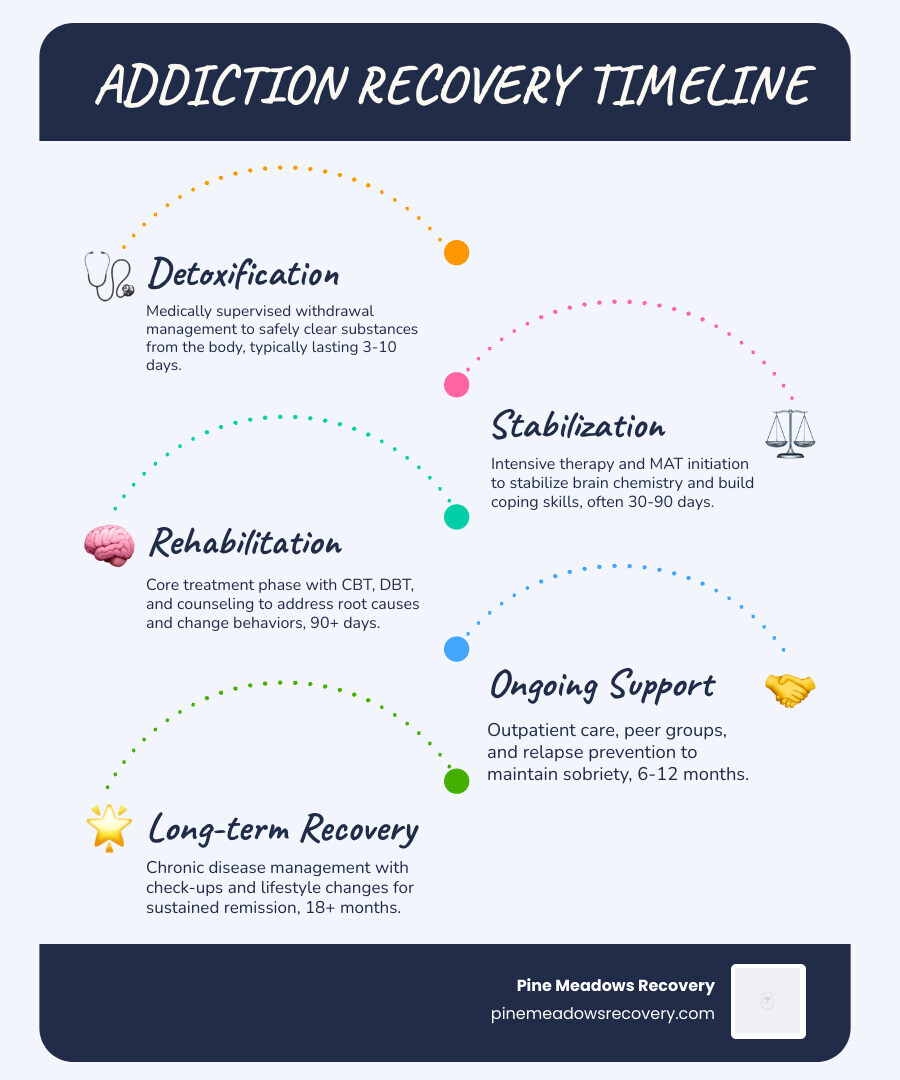
Safety is the priority, which is why we often recommend starting with professional detoxification services to manage withdrawal safely before transitioning to long-term MAT and therapy.
Addressing the Fentanyl Crisis in 2026
As of April 2026, the fentanyl crisis continues to pose a significant threat. Harm reduction has become a cornerstone of modern treatment. This includes the widespread distribution of naloxone (Narcan) and the initiation of buprenorphine in emergency departments.
In our state, the Wisconsin substance use care and coverage resources provide essential information on how residents can access these life-saving interventions. At Pine Meadows Recovery, we stay at the forefront of these developments to protect our community in Kenosha.
Why Duration and Setting Matter for Effective Substance Abuse Treatment
One of the most significant findings in recent addiction science is the importance of time. A major meta-analysis revealed that people who received planned long-term treatment (18 months or more) had a 23.9% greater chance of maintaining abstinence compared to those in shorter programs.
While 30-day programs are a common starting point, the NIDA guide on treatment duration suggests that most people need at least 90 days of significant intervention to see a lasting impact on their mental health and sobriety.
How Long-Term Support Ensures Effective Substance Abuse Treatment
Recovery doesn’t end when you leave a facility. Continuing care—which might include outpatient programs, sober living, or weekly therapy—is what bridges the gap between early sobriety and a lifelong change in quality of life.
We view the first 90 days as the “stabilization” phase, while the 18-month mark is often where we see the brain truly begin to reset its baseline. This long-term support is why we emphasize client-centered care that evolves as you grow.
The Benefits of Residential Rehab Over Community Care
While outpatient care is excellent for many, residential or intensive programs often show higher initial success rates for those with severe SUD. Why?
- Distraction-Free Environment: It removes you from the triggers and stressors of your home environment.
- Peer Support: You are surrounded by people who truly understand what you are going through.
- 24/7 Monitoring: This is crucial during the early, high-risk stages of recovery.
If you are looking for drug and alcohol rehabs in Wisconsin, it’s important to find a place that offers a continuum of care, moving from high intensity to lower intensity as you gain strength.
Managing Relapse and Overcoming Barriers to Care
Relapse is a reality for many, with rates between 40% and 60% in the first year. However, it’s vital to understand that relapse is not a failure of the person or the treatment. According to NIDA research on relapse, it is simply a sign that the treatment needs to be resumed, modified, or that a different approach is needed.
Part of effective substance abuse treatment is learning “assertive refusal skills”—knowing exactly how to say “no” in high-pressure situations—and identifying your personal triggers before they lead to a slip.
Overcoming Common Barriers to Treatment
Despite the high need, many people don’t receive the help they deserve. Common barriers include:
- Cost and Insurance: Navigating coverage can be a nightmare. We work closely with providers to ensure our clients maximize their benefits.
- Geographic Access: For those in our area, Kenosha comprehensive treatment resources are available to help bridge the gap.
- Stigma: The fear of being judged often keeps people silent. By framing SUD as a chronic disease, we aim to break down that shame.
Building a Sustainable Support Network
No one recovers in a vacuum. A sustainable network includes:
- Mutual Aid Groups: While traditional 12-step programs like AA have a success rate of about 5-8% for long-term abstinence, they provide a vital social component that works well when combined with medical treatment.
- Peer Recovery Coaches: People who have walked the path themselves and can offer unique guidance.
- Family Education: Teaching loved ones how to support you without enabling the disorder.
You can find more information about these recovery services and how we help you build this network at Pine Meadows Recovery.
Frequently Asked Questions about Effective Substance Abuse Treatment
Is addiction a curable condition?
Technically, no. Like diabetes, it is not “cured,” but it can be successfully managed into long-term remission. Over time, the brain can achieve significant recovery, as shown in the NIDA science of addiction reports. With the right management, people lead full, productive, and substance-free lives.
How long should substance abuse treatment last?
While every person is different, the research is clear: more is usually better. A 90-day period is often the minimum needed for effective change, but those who engage in some form of support for 18 months or longer see the best outcomes.
Does relapse mean that treatment has failed?
Absolutely not. Because SUD is chronic, relapse is a well-known part of the journey for many. It signals a need to re-engage with care and adjust strategies, much like a patient with asthma might need a different inhaler if they have a flare-up.
Conclusion
At Pine Meadows Recovery, we believe that every person in Kenosha, Wisconsin, deserves access to effective substance abuse treatment that treats them with dignity and respect. Our approach is rooted in the understanding that you are an individual, not a diagnosis.
By combining evidence-based therapies, the latest in medication-assisted treatment, and a commitment to long-term healing, we provide a foundation for a life that is no longer defined by addiction. If you or a loved one is ready to take that first step, recovery is not just possible—it is the expected outcome when you have the right support.
Start your recovery journey today and let us help you forge a new path toward health and happiness.