Why Taking the First Step Matters
Getting help for addiction is a critical first step toward recovery, and understanding your options can make the process less overwhelming. Here’s what you need to know to start your journey:
Immediate Steps for Getting Help:
- Call the SAMHSA National Helpline at 1-800-662-HELP (4357) for free, confidential support 24/7
- Use FindTreatment.gov to locate substance use disorder treatment facilities near you
- Contact your insurance provider to understand your coverage for addiction treatment
- Reach out to a qualified treatment center like Pine Meadows Recovery for a professional assessment
- In crisis? Call or text 988 for immediate support
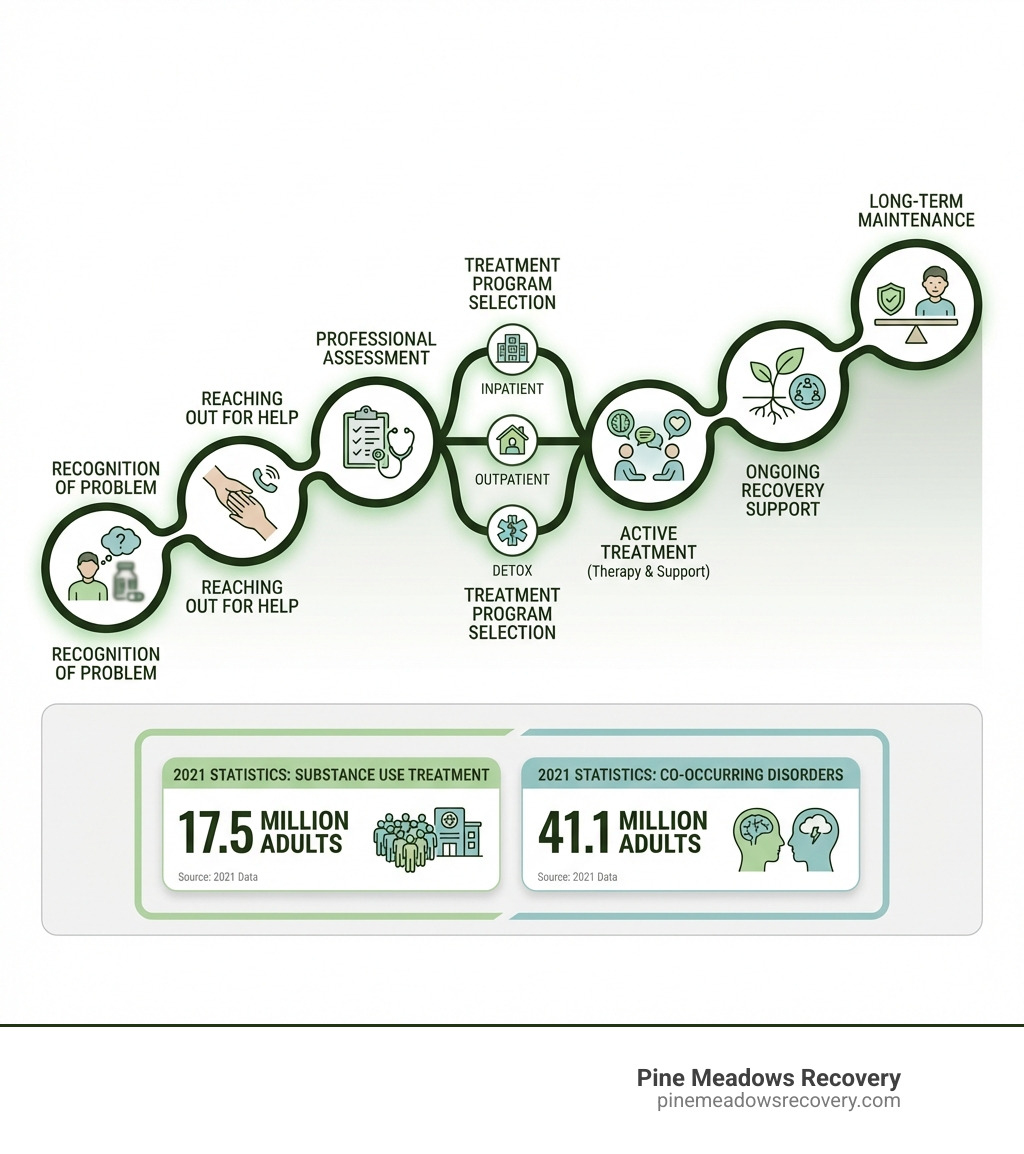
If you’re struggling with addiction, you’re not alone. In 2021, 17.5 million adults in the United States received substance use treatment, while 46.3 million adults received mental health services. These numbers reflect a reality many people face: addiction is a medical condition that affects the brain, not a moral failing or lack of willpower.
The journey to recovery often feels impossible when you’re at your lowest point. You might be dealing with powerful cravings, withdrawal symptoms, damaged relationships, or co-occurring mental health issues like depression or anxiety. The good news is that treatment works, and there are more options available today than ever before.
Understanding addiction is the foundation of recovery. When you use drugs or alcohol repeatedly, your brain’s chemistry changes, creating intense cravings and making it extremely difficult to stop on your own. This is why professional help is so important—you need support that addresses both the physical and psychological aspects of addiction.
Many people worry about the cost of treatment or whether they can take time away from work and family. These are valid concerns, and there are solutions. Most insurance plans cover substance use disorder treatment, and many facilities offer financial assistance programs. Treatment can also be flexible, ranging from intensive inpatient programs to outpatient options that let you continue working while getting help.
The path to recovery involves several key components:
- Professional assessment to determine the right level of care for your situation
- Evidence-based treatment including therapy, counseling, and sometimes medication
- Support systems such as family involvement and peer support groups
- Long-term follow-up care to prevent relapse and maintain sobriety
- Addressing co-occurring disorders like depression, anxiety, or PTSD
At Pine Meadows Recovery in Kenosha, Wisconsin, we specialize in getting help for addiction through personalized, evidence-based treatment programs that address both substance use and co-occurring mental health conditions. Our team understands the challenges you’re facing and is committed to guiding you toward sustainable, long-term recovery with compassion and clinical expertise.
Recognizing the Signs and Symptoms of Addiction
Knowing the signs and symptoms of addiction is the first step toward seeking help, whether for yourself or a loved one. Addiction, or substance use disorder, is a complex disease characterized by compulsive drug-seeking and use, despite harmful consequences. It’s not always obvious, and the signs can manifest in various ways, affecting a person’s physical, behavioral, psychological, and social well-being.
Here are some common indicators that someone might be struggling with addiction:
Physical Changes:
- Changes in appearance: Neglecting personal hygiene, sudden weight loss or gain, bloodshot eyes, dilated or constricted pupils.
- Unusual energy levels: Being overly energetic and talkative at times, then suddenly lethargic and withdrawn.
- Withdrawal symptoms: Experiencing physical discomfort (nausea, sweating, trembling, seizures) when not using the substance.
- Tolerance: Needing more of the substance to achieve the same effect.
Behavioral Shifts:
- Loss of control: Inability to limit substance use, using more than intended, or for longer periods.
- Neglected responsibilities: Failing to meet obligations at work, school, or home (e.g., missing deadlines, poor performance, neglecting children).
- Secrecy and dishonesty: Hiding substance use, lying about where they’ve been or what they’ve been doing.
- Financial problems: Unexplained financial difficulties, borrowing money, or stealing to support their habit.
- Changes in routine: Altered sleep patterns, eating habits, or a sudden change in daily activities.
- Risky behavior: Engaging in dangerous activities while under the influence or to obtain substances.
Psychological Symptoms:
- Intense cravings: A strong urge or desire to use the substance.
- Mood swings: Irritability, anxiety, depression, or sudden outbursts of anger.
- Paranoia or hallucinations: In some cases, especially with certain substances.
- Lack of motivation: Losing interest in hobbies, activities, or goals that were once important.
- Denial: Refusing to acknowledge the problem or downplaying its severity.
Social Isolation:
- Withdrawal from loved ones: Avoiding family and friends, especially those who express concern.
- New social circles: Spending time with new friends who use substances.
- Continued use despite consequences: Persisting in substance use even after experiencing negative impacts on relationships, health, or legal status.
A thorough evaluation by a qualified professional is essential for diagnosing substance use disorder. Most mental health professionals use criteria from the Diagnostic and Statistical Manual of Mental Disorders (DSM-5) to assess a person’s condition. While blood, urine, or other lab tests can assess drug use, they are primarily used for monitoring and are not a diagnostic test for addiction itself. For more detailed information on diagnosis, you can refer to the Mayo Clinic diagnosis guide.
If you recognize these signs in yourself or someone you care about, getting help for addiction is possible, and many resources are available.
Navigating the Process of Getting Help for Addiction
Once you’ve recognized the signs, the next crucial step is to steer the process of finding the right help. This can seem daunting, but with the right guidance, it becomes manageable. Our goal at Pine Meadows Recovery is to make this process as clear and supportive as possible.
We understand that finding a qualified addiction treatment professional or facility requires careful consideration. Here’s how we approach this:
-
Start with a Professional Assessment: The first step at Pine Meadows Recovery, and indeed any reputable facility, is a comprehensive assessment. This evaluation helps our team understand the nature and severity of the substance use disorder, any co-occurring mental health conditions, and your unique needs. This assessment is vital for creating a personalized treatment plan.
-
Use National Resources: For those seeking immediate information or referrals, national helplines and online locators are invaluable. The SAMHSA National Helpline (1-800-662-HELP) is a confidential, free, 24/7 service that provides treatment referrals and information for individuals and families facing mental and/or substance use disorders. You can also use FindTreatment.gov to locate state-licensed providers specializing in mental and substance use disorders.
-
Understand Treatment Program Types: Addiction treatment can vary significantly in length and intensity. We offer a range of programs custom to individual needs, including:
| Program Type | Description |
| Treatment Program | Description +
Immediate Resources for Getting Help for Addiction
When you or a loved one is in crisis due to addiction, immediate help is paramount. We want to ensure you know exactly where to turn for urgent support.
- 988 Suicide & Crisis Lifeline: This national lifeline offers free, confidential support 24/7 for anyone experiencing a mental health or substance use crisis. You can call or text 988 Suicide & Crisis Lifeline to connect with trained crisis counselors. This service is available nationwide, including right here in Kenosha, Wisconsin.
- Emergency Services: If there’s an immediate danger of overdose or severe withdrawal, call 911 right away. Emergency medical personnel can provide life-saving care.
- Pine Meadows Recovery: For immediate guidance and to discuss your options, please don’t hesitate to reach out to us directly. Our compassionate team is ready to listen and help you take the next steps. You can find our contact information on our Contact Us page.
Financial Considerations When Getting Help for Addiction
One of the most common concerns when considering addiction treatment is the cost. We believe that financial barriers should not prevent anyone from getting help for addiction.
- Understanding Treatment Costs: The cost of addiction treatment can vary widely depending on the type of program (inpatient, outpatient), its length, and the services offered.
- Insurance Coverage: Many private health insurance plans, as well as public programs like Medicaid, cover a significant portion of addiction treatment costs. The Affordable Care Act (ACA) mandates that most insurance plans cover mental health and substance use disorder services as essential health benefits. We encourage you to explore your policy details. For a comprehensive guide on navigating insurance for rehab, please read our article, What Private Health Insurance Really Covers for Rehab.
- Financial Assistance & Verification: At Pine Meadows Recovery, we work with many insurance providers and offer an easy Insurance Verification process to help you understand your benefits. Our team can help clarify what your specific plan covers and discuss any available financial assistance options. Don’t let financial concerns deter you from seeking the care you deserve.
Evidence-Based Treatment Options and Levels of Care
Addiction treatment is not a one-size-fits-all solution. Effective recovery depends on personalized programs that address the unique needs of each individual. At Pine Meadows Recovery, we offer evidence-based, holistic, and personalized programs for Substance Abuse and co-occurring disorders, focusing on long-term healing and client-centered care.
It’s important to recognize that addiction often co-occurs with mental health conditions. In 2021, 41.1 million adults aged 18 or older had a co-occurring mental health and substance use disorder. This is why our approach includes specialized treatment for Dual Diagnosis, ensuring that both the addiction and any underlying mental health issues are addressed simultaneously. We also provide comprehensive support for general Mental Health concerns, recognizing their profound impact on recovery.
The Role of Therapy and Counseling
Therapy and counseling form the cornerstone of effective addiction recovery. They provide individuals with the tools, strategies, and insights needed to understand their addiction, develop healthier coping mechanisms, and prevent relapse.
- Cognitive Behavioral Therapy (CBT): This is a widely used and highly effective behavioral therapy in addiction treatment. CBT helps individuals identify and change problematic thinking patterns and behaviors that contribute to substance use. It teaches skills to cope with cravings, manage stress, and avoid triggers. Research, such as a meta-analysis on randomized controlled trials, has affirmed the effectiveness of CBT in treating adult alcohol and illicit drug users.
- Individual Counseling: One-on-one sessions with a therapist provide a safe and confidential space to explore the root causes of addiction, process emotions, and develop personal recovery goals.
- Group Therapy: Participating in group therapy sessions allows individuals to connect with peers facing similar challenges. It fosters a sense of community, reduces feelings of isolation, and provides opportunities to learn from others’ experiences and practice new social skills.
- Family Therapy: Addiction impacts the entire family system. Family therapy helps improve communication, rebuild trust, and establish healthy boundaries, creating a supportive environment for recovery.
At Pine Meadows Recovery, our programs, including our Intensive Outpatient Program, heavily integrate these therapeutic approaches to ensure comprehensive healing.
Medications Used in Addiction Treatment
For many individuals, medication can be a valuable component of getting help for addiction, especially for opioid and alcohol use disorders. This approach, known as Medication-Assisted Treatment (MAT), combines medications with behavioral therapies to provide a “whole-patient” approach.
- Opioid Use Disorder (OUD):
- Methadone: Helps reduce opioid cravings and withdrawal symptoms.
- Buprenorphine: Also reduces cravings and withdrawal, and can be prescribed in an office setting.
- Naltrexone: Blocks the euphoric and sedative effects of opioids (and alcohol), reducing cravings.
- Naloxone: This isn’t a treatment medication but a life-saving drug that can rapidly reverse an opioid overdose. It’s crucial for overdose prevention and can be administered by emergency responders or trained individuals.
- Alcohol Use Disorder: Medications like Naltrexone, Acamprosate, and Disulfiram can help reduce cravings, manage withdrawal symptoms, and deter alcohol consumption.
Medications are typically prescribed and monitored by medical professionals as part of a broader treatment plan. Our programs, including our Partial Hospitalization Program (PHP), evaluate the appropriateness of MAT on an individual basis to improve recovery outcomes.
Detoxification and Withdrawal Management
For many, the first physical step in getting help for addiction is detoxification, often simply called detox. This is the process of safely removing substances from the body while managing uncomfortable and potentially dangerous withdrawal symptoms.
- Medical Supervision: Detoxification should always occur under medical supervision. Withdrawal symptoms can range from mild discomfort to severe, life-threatening complications, depending on the substance and the individual’s history of use. Medical professionals can administer medications to ease symptoms, ensure safety, and prevent complications.
- Withdrawal Symptoms: These vary greatly by substance. For example, alcohol withdrawal can involve tremors, seizures, and delirium, while opioid withdrawal can cause intense flu-like symptoms, muscle aches, and severe discomfort.
- Safety Protocols: A medically supervised detox program follows strict safety protocols to monitor vital signs, provide comfort, and intervene if necessary.
- Acute Management and Stabilization: The primary goal of detox is acute management of withdrawal and stabilization. Detox is not addiction treatment itself, but rather a crucial first step that prepares an individual for further therapy and recovery work.
At Pine Meadows Recovery, our Detoxification services provide a safe and supportive environment for this critical initial phase of recovery, ensuring individuals are medically stable and ready to engage in therapeutic interventions.
Strategies for Long-Term Recovery and Relapse Prevention
Recovery from addiction is a journey, not a destination. Once initial treatment is complete, the focus shifts to developing strategies for long-term sobriety and preventing relapse. This phase is crucial for building a sustainable, drug-free life. As a relapse prevention study by Friedmann, Saitz, & Samet (1998) highlights, ongoing support and coping mechanisms are essential.
At Pine Meadows Recovery, we emphasize equipping individuals with the skills and support needed to steer life’s challenges without returning to substance use. This includes:
- Trigger Identification and Management: Identifying personal triggers (people, places, situations, emotions) that can provoke cravings or thoughts of using is a key part of relapse prevention. Once identified, strategies are developed to avoid or effectively cope with these triggers.
- Stress Management: Stress is a common relapse trigger. Learning healthy ways to manage stress—such as mindfulness, exercise, or relaxation techniques—is vital.
- Urge Surfing: This technique involves acknowledging cravings without acting on them. Instead of fighting the urge, you observe it, allow it to be present, and remind yourself that it will pass, much like riding a wave.
- Ongoing Follow-Up Care: Long-term follow-up care is crucial for preventing relapse and maintaining sobriety, as echoed in SAMHSA’s findings. This can include continued therapy, regular check-ins, and participation in support groups. Our Sober Living options provide a structured, supportive environment for individuals transitioning back into independent living.
Building a Meaningful Drug-Free Life
Beyond simply abstaining from substances, building a meaningful drug-free life involves creating a fulfilling existence that supports long-term recovery. This means replacing old habits with new, healthy ones and finding joy and purpose in sobriety.
- Healthy Coping Mechanisms: Developing a repertoire of healthy coping skills for stress, cravings, and difficult emotions is fundamental. This might include engaging in physical activity, pursuing creative outlets, spending time in nature, or connecting with supportive friends and family.
- New Hobbies and Interests: Refinding old passions or exploring new ones can fill the void left by substance use and provide a sense of accomplishment and enjoyment.
- Community Involvement: Volunteering, joining clubs, or participating in community events can foster a sense of belonging and purpose.
- Goal Setting: Setting and achieving personal, professional, or educational goals provides structure, motivation, and a positive direction for life in recovery.
- Physical Wellness: Prioritizing physical health through regular exercise, balanced nutrition, and good sleep hygiene significantly impacts mental well-being and resilience against relapse.
For more insights on this transformative process, you might find inspiration in our article, From Struggle to Serenity: Your Journey to Getting Sober.
Utilizing Self-Help Groups and Peer Support
Self-help groups and peer support play an indispensable role in maintaining sobriety. These groups offer a unique blend of understanding, encouragement, and accountability from individuals who have lived experience with addiction.
- 12-Step Programs: Organizations like Narcotics Anonymous (NA) and Alcoholics Anonymous (AA) are well-known examples of 12-step programs. They provide a structured pathway to recovery through shared experiences, mutual support, and spiritual principles. Other specialized groups include Cocaine Anonymous, Crystal Meth Anonymous, and Marijuana Anonymous.
- Peer Support: The value of peer support cannot be overstated. Connecting with others who understand the challenges of addiction reduces feelings of shame and isolation, which can be significant barriers to recovery. These groups create a safe space for open communication and mutual encouragement.
- Accountability: Regular attendance and participation in these groups provide a crucial layer of accountability, helping individuals stay committed to their recovery goals.
SAMHSA statistics confirm that self-help groups are a valuable support for individuals in recovery. They offer a powerful sense of community and a constant reminder that you are not alone in your journey.
Supporting a Loved One and Family Involvement
Addiction is a family disease, impacting everyone close to the individual struggling. Therefore, family involvement is often a critical component of successful addiction treatment and long-term recovery. If you are supporting a loved one, your well-being is also important.
- Family Therapy: Engaging in family therapy can help heal strained relationships, improve communication patterns, and address codependency or other family dynamics that may inadvertently contribute to the addiction cycle. It provides a platform for open dialogue and mutual understanding.
- Communication Skills: Learning effective communication skills allows family members to express their concerns, set healthy boundaries, and offer constructive support without enabling substance use.
- Setting Boundaries: Establishing clear, consistent boundaries is essential for both the individual in recovery and their loved ones. This protects everyone’s well-being and prevents relapse triggers.
- Education: Educating yourself about addiction—its nature, treatment, and recovery process—can help you understand what your loved one is going through and how best to support them.
- Self-Care for Supporters: Supporting someone with an addiction can be emotionally draining. It’s vital for family members and friends to prioritize their own mental and emotional health. SAMHSA offers resources on self-care for supporters, emphasizing the importance of seeking your own support systems, whether through therapy, support groups like Al-Anon or Nar-Anon, or personal wellness practices.
- Intervention: In some cases, a professionally guided intervention may be necessary to help a loved one recognize the need for treatment and accept help.
- Healing Relationships: With consistent effort and professional guidance, relationships can begin to heal, fostering a more supportive and understanding environment conducive to lasting recovery.
At Pine Meadows Recovery, we recognize the profound impact of family dynamics on recovery and integrate family support into our holistic treatment approach, ensuring that everyone involved has the opportunity to heal and grow.
Frequently Asked Questions
When considering getting help for addiction, many questions naturally arise. Here, we address some of the most common inquiries to provide clarity and peace of mind.
How do I know if I need professional help for addiction?
Recognizing the need for professional help is a significant step. If you find yourself unable to control your substance use, if it’s negatively impacting your health, relationships, work, or finances, or if you experience withdrawal symptoms when you try to stop, these are strong indicators that professional intervention is necessary. Addiction is a complex brain disease, and overcoming it often requires expert guidance, therapy, and support that extends beyond willpower alone. A comprehensive assessment by an addiction specialist can provide a clear diagnosis and recommend the appropriate level of care.
What is the difference between inpatient and outpatient treatment?
The primary difference lies in the level of supervision and living arrangements.
- Inpatient Treatment (Residential Treatment): This involves living at a treatment facility 24/7 for a period, typically ranging from 30 to 90 days or longer. It provides a highly structured and immersive environment, away from potential triggers and distractions. Inpatient care is often recommended for severe addictions, individuals with co-occurring mental health disorders, or those who need a safe, stable environment to begin recovery.
- Outpatient Treatment: This allows individuals to live at home while attending therapy sessions and appointments at a treatment center during the day or evening. It offers more flexibility, enabling participants to continue working, attending school, and maintaining family responsibilities. Outpatient programs can vary in intensity, from a few hours a week to more intensive programs like Partial Hospitalization Programs (PHP) or Intensive Outpatient Programs (IOP), which offer significant clinical hours while allowing individuals to return home each day. The choice between inpatient and outpatient depends on the individual’s needs, severity of addiction, and living situation.
Does health insurance typically cover the cost of rehab?
Yes, in most cases, health insurance does cover the cost of addiction treatment. Thanks to the Affordable Care Act (ACA) and other mental health parity laws, substance use disorder treatment is recognized as an essential health benefit. This means that most private insurance plans, as well as public programs like Medicaid and Medicare, must provide coverage for these services, often comparable to coverage for other medical conditions. However, the extent of coverage can vary depending on your specific plan, including deductibles, co-pays, and out-of-pocket maximums. It’s always best to contact your insurance provider directly or use a facility’s Insurance Verification service to understand your benefits and potential costs. Many treatment centers also offer financial assistance or sliding scale fees for those without adequate insurance coverage.
Conclusion
Getting help for addiction is a courageous and life-changing decision. We understand the complexities of this journey, from recognizing the initial signs to navigating treatment options and building a fulfilling, drug-free life. Addiction is a treatable disease, and recovery is always possible.
At Pine Meadows Recovery in Kenosha, Wisconsin, we are dedicated to providing compassionate, evidence-based, and personalized care. Our holistic approach addresses not just the addiction, but also any co-occurring mental health conditions, ensuring a comprehensive path to long-term healing. Our team is here to support you every step of the way, fostering a client-centered environment where you can rebuild your life with dignity and purpose.
Don’t let another day pass in the shadow of addiction. Reach out today and let us help you find the freedom and serenity you deserve. Start your recovery journey today.