
When Anxiety Feels Overwhelming: Why Getting Help in Kenosha County Matters
Anxiety treatment Kenosha County residents can access includes therapy, medication management, crisis support, and specialized programs for co-occurring addiction. Here’s a quick overview of your options:
- Therapy: CBT, DBT, EMDR, ACT, and trauma-informed counseling
- Medication management: Through psychiatrists and nurse practitioners
- Crisis support: 24/7 crisis line at (262) 657-7188
- Levels of care: Outpatient, Intensive Outpatient (IOP), Partial Hospitalization (PHP), and telehealth
- Dual diagnosis: Integrated treatment for anxiety and substance use disorders
- Getting started: Many local providers offer appointments within a week
Anxiety is more than just worry. It can take over your sleep, your focus, your relationships, and your daily life. And when anxiety and substance use happen together — which they do for roughly half of people struggling with addiction — getting the right treatment becomes even more urgent.
The good news? Kenosha County has real, accessible options. Whether you’re dealing with panic attacks, constant dread, or a cycle of substance use that started as a way to cope, you don’t have to figure this out alone.
At Pine Meadows Recovery, we are a Kenosha-based addiction treatment center with deep experience helping individuals navigate anxiety alongside substance use disorders through flexible, evidence-based programs — making us a trusted resource for anxiety treatment Kenosha County residents need. If you’re ready to take the next step, this guide will show you exactly where to start.
Recognizing the Signs: When to Seek Anxiety Treatment in Kenosha County
We all feel a little “on edge” sometimes. Maybe it’s before a big presentation at work or when you’re navigating the construction on Highway 50 during rush hour. But there is a distinct line between normal stress and the kind of chronic anxiety that demands professional intervention.
If you feel like your brain has 47 browser tabs open and you can’t find which one is playing music, you might be dealing with an anxiety disorder. In Kenosha County, we see residents struggling with a range of symptoms that often fly under the radar until they become debilitating.
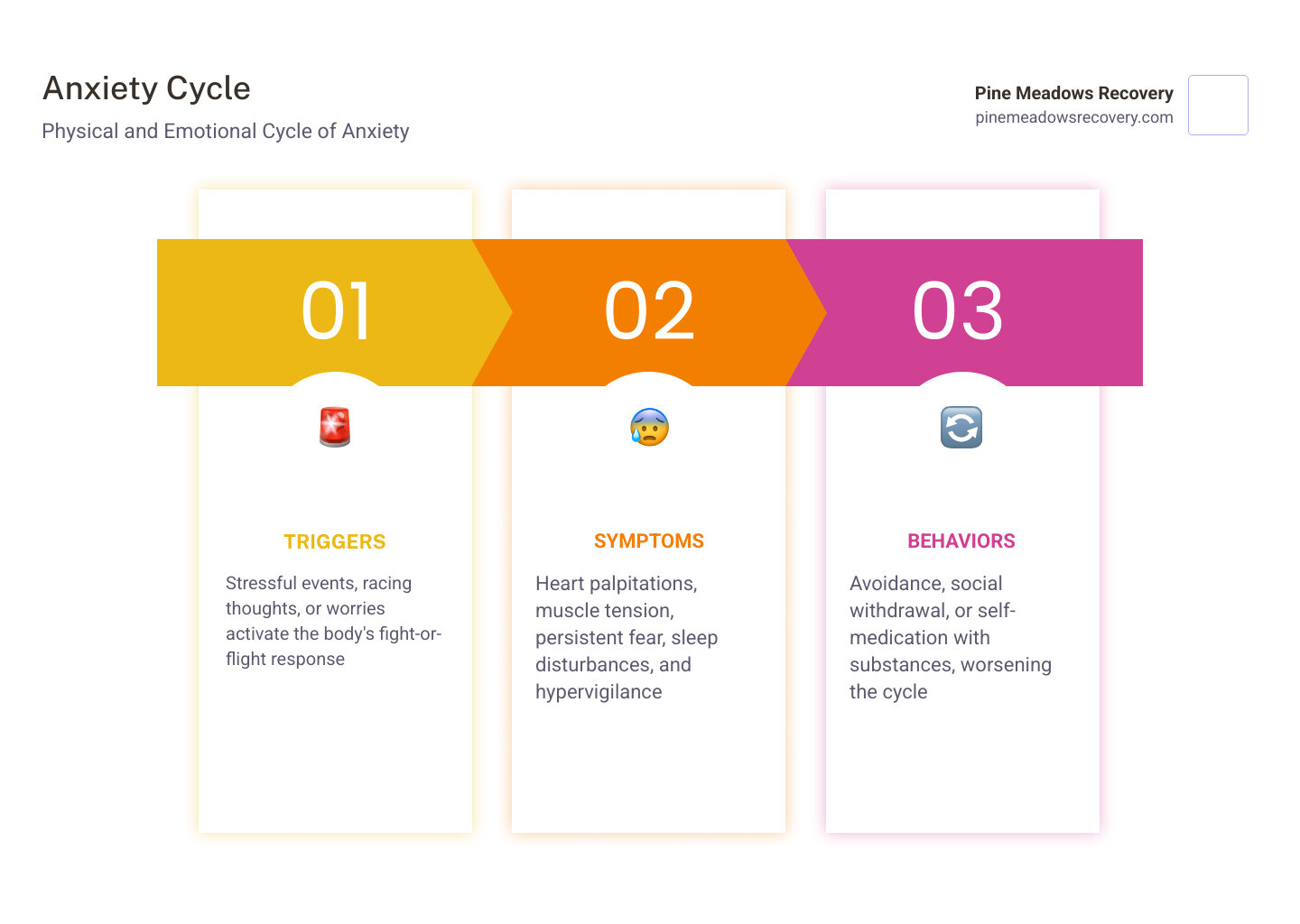
One of the clearest signs that it is time to look into anxiety treatment Kenosha County options is when your worry starts to feel “sticky.” You can’t put it down, even when there is nothing immediate to worry about. This persistent worry is often accompanied by racing thoughts that keep you up at 3:00 AM, replaying a conversation you had three years ago.
Physical symptoms are just as telling. Many of our neighbors in Kenosha report chronic muscle tension, particularly in the jaw, neck, and shoulders. You might feel like you’re constantly braced for impact. Social withdrawal is another major red flag; if you’re suddenly “too tired” to meet friends at Petrifying Springs Park or you’re avoiding grocery stores because the crowds feel like too much, your world is shrinking.
If this sounds familiar, you can Find Licensed, In-Network Anxiety Therapists in Kenosha, Wisconsin to begin exploring your local options. For those who feel their anxiety is tied to broader mental health challenges, we offer More info about Mental Health services to help you understand the full scope of care available.
Identifying Anxiety Symptoms in Children and Adults
Anxiety doesn’t look the same on everyone. In adults, it often manifests as fatigue—that “tired but wired” feeling where you’re exhausted but can’t relax. You might experience frequent panic attacks, which feel like a sudden surge of intense fear accompanied by heart palpitations and a sense of impending doom. Hypervigilance is also common; you’re constantly scanning your environment for threats, even in safe places.
In children and teens, anxiety often wears a mask of irritability. Instead of saying “I’m scared,” a child might have a meltdown over a small change in routine. You might notice:
- Sleep disturbances: Difficulty falling asleep or frequent nightmares.
- School performance issues: Trouble concentrating or refusing to go to school (often called “school refusal”).
- Physical complaints: Frequent stomachaches or headaches that don’t have a clear medical cause.
- Social changes: Avoiding playdates or withdrawing from sports and clubs they used to enjoy.
Whether you are an adult or a parent looking for your child, recognizing these signs early can prevent anxiety from spiraling into more complex issues.
The Link Between Anxiety and Substance Use
It is a difficult truth that anxiety and substance use are often two sides of the same coin. Research shows that about half of those who struggle with addiction experience a mood or anxiety disorder at some point in their lives. Even more striking, individuals with anxiety disorders are two times more likely to struggle with substance use than those who experience little to no anxiety.
Why does this happen? Usually, it starts as self-medication. If your brain feels like a beehive, a drink or a pill might seem like the only way to quiet the buzzing. Unfortunately, while substances might provide a temporary “mute” button, they actually worsen anxiety in the long run by disrupting the brain’s natural chemistry. This creates a vicious cycle: you use to stop the anxiety, but the substance makes the anxiety more intense when it wears off, leading to more use.
At Pine Meadows Recovery, we specialize in “Dual Diagnosis”—treating both the anxiety and the substance use at the same time. You can find More info about Dual Diagnosis services on our site. Treating one without the other is like trying to fix a leaky boat by only bailng out the water without plugging the hole.
To help you visualize the difference between healthy and unhealthy responses to anxiety, consider this comparison:
| Feature | Healthy Coping Skills | Avoidance/Self-Medication |
|---|---|---|
| Primary Goal | Managing the emotion | Numbing or escaping the emotion |
| Action Taken | Deep breathing, therapy, exercise | Using alcohol, drugs, or total isolation |
| Long-term Effect | Increased resilience and calm | Increased anxiety and dependency |
| Social Impact | Better communication with loved ones | Strained relationships and secrecy |
| Physical Health | Improved sleep and lower cortisol | Disrupted sleep and health complications |
Immediate Resources and Crisis Support in Kenosha
If you or someone you love is in the middle of a mental health emergency, you don’t have to wait for an appointment. Kenosha County has dedicated resources designed to provide immediate relief and safety.
Kenosha Human Development Services (KHDS) is the primary hub for crisis intervention in our area. They offer support 24 hours a day, seven days a week. When you call, you aren’t getting a robot or a distant call center; your call is answered by a live, local person.
- Crisis Intervention Hotline: Call (262) 657-7188 if you are in a crisis.
- What to expect: Well-trained staff provide phone support and can even offer face-to-face interventions if necessary.
For those who aren’t in an immediate “emergency” but feel completely overwhelmed by the sheer number of programs and clinics available, the Behavioral Health Resource Center is an incredible asset. You can reach them at (262) 657-7188. They act as a “navigator,” helping you figure out which door to walk through first.
You can find more details here: Kenosha Human Development Services (KHDS) offers crisis intervention 24 hours a day and the Behavioral Health Resource Center for non-emergency navigation.
Navigating Levels of Care for Anxiety Treatment Kenosha County
Not everyone needs the same intensity of care. Think of mental health treatment like a ladder; you want to be on the rung that provides enough support to keep you safe and moving forward, but not so much that it disrupts your life unnecessarily.
- Inpatient Care: This is the highest level of support, usually reserved for those in immediate danger or experiencing severe crisis. Stays are typically short, ranging from 3 to 12 days, focusing on stabilization.
- Residential Treatment: This involves living at a facility for a period (often 30 to 60 days) to focus entirely on recovery. This is ideal for dual-diagnosis cases where both addiction and anxiety need intensive, 24/7 care.
- Partial Hospitalization Program (PHP): You spend the majority of your day in treatment (usually 5-6 hours) but return home in the evening. This level of care usually lasts 4 to 8 weeks.
- Intensive Outpatient Program (IOP): This is a step down from PHP, typically involving 9-15 hours of therapy per week. It allows you to maintain work or school commitments while receiving professional support.
- Telehealth: For many in Kenosha County, virtual therapy is the most accessible option. It removes the barrier of transportation and allows you to talk to a specialist from the comfort of your own living room.
How to Get Matched with a Provider Quickly
One of the biggest frustrations in seeking anxiety treatment Kenosha County residents face is the “waitlist wall.” When you finally decide to get help, you don’t want to hear that the first opening is three months away.
Local providers are working hard to bridge this gap. Some clinics in the area aim to offer appointments within a week. To speed up the process:
- Have your insurance card ready: Knowing your provider helps staff match you with an in-network therapist immediately.
- Be open to telehealth: Virtual appointments often have much shorter wait times than in-person sessions.
- Use a matching service: Platforms like Find My Therapist allow you to filter by specialty (like “Anxiety” or “Trauma”) and insurance.
For more practical advice on navigating the local system, check out our 5 No-Nonsense Tips for Mental Health Services Kenosha County.
Evidence-Based and Specialized Therapy Options
When we talk about “evidence-based” treatment, we mean methods that have been scientifically tested and proven to work. We don’t just guess what might help; we use tools that have a track record of success.
Cognitive Behavioral Therapy (CBT) is the “gold standard” for anxiety. It focuses on identifying those “automatic negative thoughts”—the ones that tell you everything is going to go wrong—and teaching you how to challenge them. By changing the way you think, you change the way you feel.
Dialectical Behavior Therapy (DBT) is excellent for people who experience very intense emotions. It teaches “distress tolerance,” which is essentially the ability to get through a panic attack or a high-stress moment without making the situation worse.
EMDR (Eye Movement Desensitization and Reprocessing) is a specialized therapy used for trauma-related anxiety. If your anxiety stems from a past event—like an accident, a loss, or a traumatic experience—EMDR helps your brain “reprocess” that memory so it no longer triggers a fight-or-flight response. Many local providers in the Kenosha area specialize in this basic-certified technique.
Specialized Anxiety Treatment Kenosha County Options
Sometimes, a “one size fits all” approach doesn’t work. That’s why specialized care is so vital.
For women, anxiety can often be tied to specific life stages or societal pressures. From postpartum anxiety to the unique stressors of caregiving, having a space that understands these nuances is essential. We’ve put together a Women’s Mental Health Services Kenosha County Guide to highlight these specific resources.
Holistic modalities are also gaining ground in Kenosha. While therapy is the foundation, adding other tools can accelerate healing:
- Mindfulness and Meditation: Learning to stay in the present moment rather than worrying about the future.
- Stress Management: Practical tools for daily life, from time management to setting boundaries.
- Art and Music Therapy: Using creative expression to process feelings that are hard to put into words.
Medication Management and Holistic Care
For many, the most effective anxiety treatment Kenosha County providers recommend is a combination of psychotherapy and medication. Psychiatrists and nurse practitioners can prescribe medications that help balance brain chemistry, making it easier for you to engage in the “work” of therapy.
However, medication isn’t a magic wand. It works best when supported by “lifestyle medicine.” This includes:
- Nutritional Support: Reducing caffeine and sugar can significantly lower physical anxiety symptoms.
- Exercise: Moving your body is one of the most effective ways to burn off excess cortisol (the stress hormone).
- Sleep Hygiene: Creating a routine that helps your brain actually shut down at night.
At Pine Meadows Recovery, our focus is on the whole person. We look at your history, your environment, and your physical health to create a plan that actually sticks.
Frequently Asked Questions about Anxiety Care
How do I know if my insurance covers anxiety treatment?
This is usually the first question people ask, and for good reason! Most major private insurance plans—including Blue Cross Blue Shield, Aetna, and UnitedHealthcare—cover mental health services. Under the Mental Health Parity and Addiction Equity Act, insurance companies are generally required to provide coverage for mental health that is comparable to their coverage for physical health.
The best way to be sure is to call the number on the back of your card and ask for “Behavioral Health Benefits.” You can also ask your provider to do an “insurance verification” for you before your first session. This helps you understand your out-of-pocket costs, deductibles, and any coverage limits before you get started.
What is the difference between a panic attack and an anxiety attack?
While people often use these terms interchangeably, they are slightly different:
- Panic Attack: These are sudden and intense. They often come “out of the blue” and peak within minutes. You might feel like you’re having a heart attack, can’t breathe, or are “going crazy.” There is a strong sense of impending doom.
- Anxiety Attack: These usually build up over time. They are often triggered by a specific stressor (like a deadline or a conflict). The symptoms are less intense than a panic attack but can last much longer—sometimes days or weeks of “low-grade” dread and tension.
Both are signs that your nervous system is overwhelmed and that professional anxiety treatment Kenosha County services could be beneficial.
Can I receive anxiety treatment through telehealth?
Absolutely. In fact, for many, telehealth is the preferred way to start. It allows you to meet with a licensed Wisconsin therapist or psychiatrist via a secure video platform. This is a great option if you have a busy schedule, lack reliable transportation, or if your anxiety makes it difficult to leave the house. Many programs, including intensive outpatient options, now offer “hybrid” models where you can do some sessions in person and some virtually.
Conclusion
Anxiety can make you feel like you’re trapped in a storm, but you don’t have to wait for the clouds to clear on their own. Whether it’s through a 24/7 crisis line, a weekly therapy session, or a comprehensive dual-diagnosis program, help is right here in our community.
At Pine Meadows Recovery, we believe that recovery is possible for everyone. We focus on personalized, client-centered care that addresses the root causes of your anxiety and substance use, not just the symptoms. We are proud to be a part of the Kenosha County landscape, helping our neighbors find their way back to a life of peace and purpose.
If you’re ready to reclaim your life from the cycle of worry and substance use, we are here to walk with you. Start your journey with our Women’s Mental Health Services Kenosha County Guide or reach out to us directly to learn more about our programs.