

Finding Hope and Healing: Your Guide to Drug Rehab in Kenosha
Drug rehab Kenosha offers multiple pathways to recovery, from medical detoxification to outpatient programs and ongoing support. Whether you’re struggling with opioid addiction, alcohol dependence, or co-occurring mental health issues, Kenosha County provides access to evidence-based treatment options designed to help you reclaim your life.
Quick Guide to Getting Help in Kenosha:
- Crisis Support: Call Kenosha Human Development Services 24/7 at (262) 657-7188
- Non-Crisis Help: Visit the Behavioral Health Resource Center at 3536 52nd St, Kenosha (weekdays 9am-5pm)
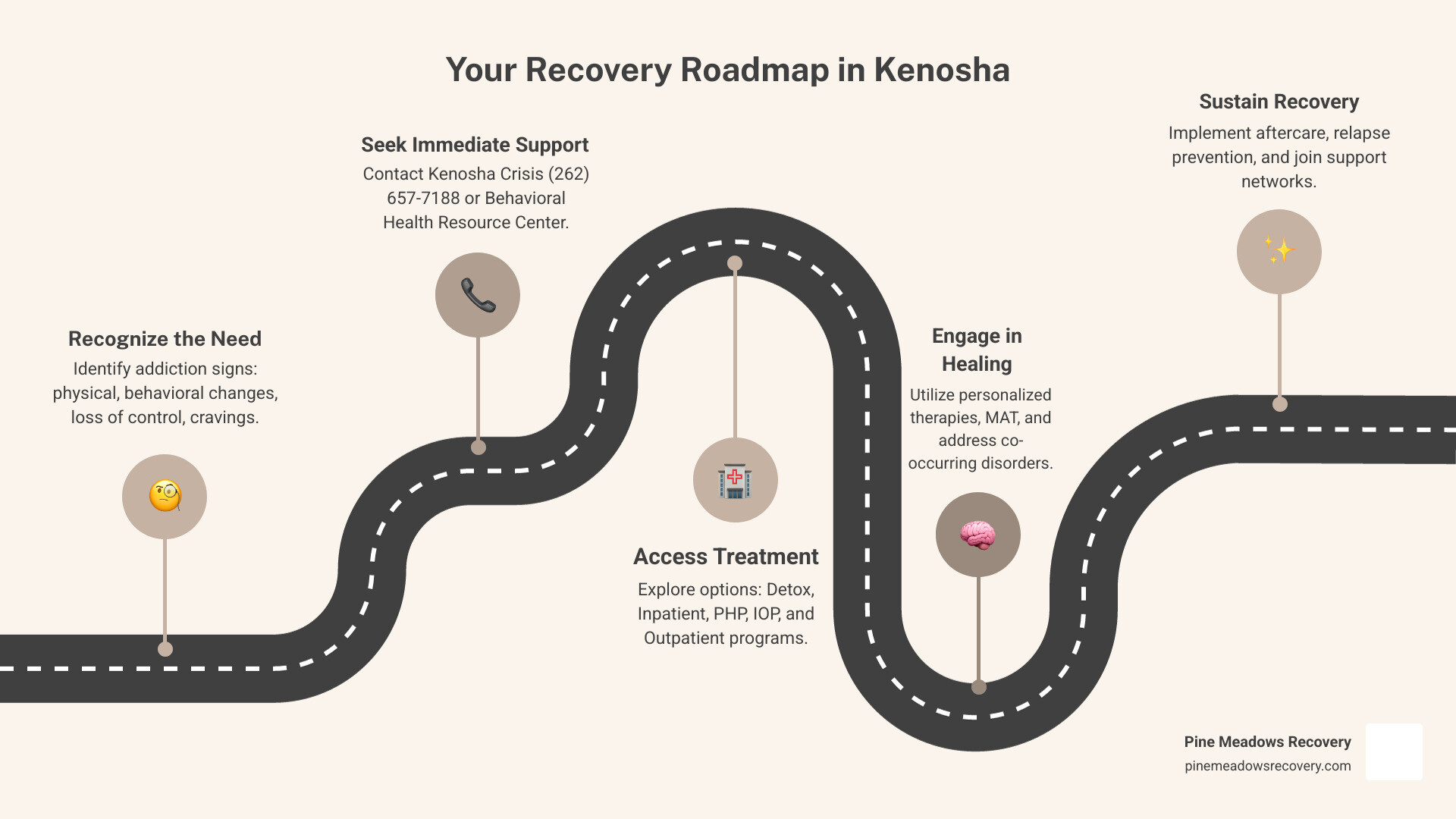
- Treatment Options: Detox, inpatient care, partial hospitalization (PHP), intensive outpatient (IOP), and standard outpatient programs
- Payment: Most centers accept private insurance, Medicaid, Medicare, and offer sliding scale fees
If you’re at your lowest point, you’re not alone. The statistics tell a sobering story: in 2021, Kenosha County saw 44 opioid-related deaths among 53 total toxicity deaths, plus 913 chronic alcohol emergency room visits. Drug and alcohol use ranks as the third most critical health concern in the county.
But here’s what matters most: treatment works and recovery is possible. Every dollar invested in substance use disorder treatment saves $4 in healthcare costs and $7 in law enforcement costs. More importantly, it gives people their lives back.
The gap between need and treatment is real. Across Wisconsin, nearly 1 million people need substance use disorder treatment, but only 24% receive care. Kenosha is working to change that through expanded services and a growing network of support.
This guide will walk you through everything you need to know about finding quality drug rehab in Kenosha—from understanding different levels of care to navigating insurance coverage and connecting with local resources. You’ll learn how to choose a reputable center, what specialized treatments are available, and how aftercare keeps you strong after completing a program.
Recovery isn’t just about stopping substance use. It’s about building a fulfilling life, healing relationships, and finding your potential. Whether you’re seeking help for yourself or a loved one, Kenosha’s treatment community is ready to support your journey.
Understanding the Need for Addiction Treatment in Kenosha
The serene shores of Lake Michigan may offer a picturesque backdrop, but beneath the surface, Kenosha County, like many communities, grapples with the pervasive challenges of substance abuse. It’s a problem that touches individuals, families, and the broader community, underscoring the critical need for effective addiction treatment services. We understand that recognizing the problem is the first, often most difficult, step towards healing. If you’re looking for more information on the specifics of how we approach these challenges, we encourage you to explore our Substance Abuse Treatment page.
Kenosha’s Substance Use by the Numbers
The statistics from Kenosha County paint a clear picture of the substance use landscape. These numbers aren’t just figures; they represent lives impacted and the urgent call for accessible, quality care.
- Opioid deaths: In 2021, of 53 toxicity deaths, 44 involved opioids and 15 involved cocaine, highlighting dangerous poly-substance use trends.
- Alcohol-attributable deaths: The rate in 2021 was 65.3 per 100,000 residents, a stark reminder of alcohol’s severe consequences.
- Binge drinking rates: Between 2016 and 2021, the rate of binge drinking stood at 22.2 per 100,000 residents.
- Emergency room visits: In 2021, there were 913 chronic alcohol emergency room visits and 85 for opioids, signaling severe health crises.
- Treatment gap in Wisconsin: According to the 2021-22 National Survey on Drug Use and Health, 989,000 people aged 12 and older in Wisconsin needed substance use disorder treatment, but only 23.8% received it.
- Drug and alcohol use as a top health concern: The 2022 Kenosha County Community Health Assessment identified drug and alcohol use as the third most critical health concern in the county.
Recognizing the Signs of Addiction
Addiction can be subtle in its onset, often masquerading as a coping mechanism before spiraling. Understanding the signs is crucial for seeking timely intervention. For those dealing with co-occurring mental health issues, our Mental Health Treatment page offers additional insights.
Here are some common indicators that might suggest a need for drug rehab Kenosha:
- Physical symptoms: Changes in appearance, poor hygiene, sudden weight fluctuations, frequent illness, and withdrawal symptoms (shaking, sweating, nausea) when not using the substance.
- Behavioral changes: Increased secrecy or isolation, loss of interest in hobbies, neglecting responsibilities at work or home, and engaging in risky behaviors.
- Psychological signs: Unexplained mood swings, irritability, anxiety, depression, or using substances to cope with emotional problems.
- Loss of control: An inability to limit substance use despite negative consequences, including failed attempts to cut down or stop.
- Cravings: An intense, overwhelming desire for the substance that consumes thoughts and actions.
If you recognize these signs in yourself or a loved one, please know that help is available. Addiction is a chronic brain disease, but it is treatable, and recovery is a reality for many.
A Guide to Drug and Alcohol Rehab Services in Kenosha
Starting on the journey to recovery from substance use disorder can feel overwhelming, but in Kenosha, a range of services stands ready to meet diverse needs. Our approach focuses on personalized plans and holistic healing, ensuring that every individual receives care custom to their unique circumstances. For a comprehensive overview of our general treatment philosophy, please visit our Treatment page.

What is the Right Level of Care for Me?
Determining the most suitable level of care is a critical step in effective addiction treatment. It’s not a one-size-fits-all solution; what works best for one person might not be ideal for another. The process typically begins with a thorough assessment to understand the individual’s history, the severity of their addiction, and any co-occurring conditions. This assessment helps us guide you toward the most appropriate path.
- Assessment Process: Each person’s treatment plan is unique, but it generally starts with an assessment to determine the level of treatment needed. This evaluation considers factors like the type and duration of substance use, physical health, mental health status, and social support.
- Detoxification: Often the first step, especially for physical dependence on substances like alcohol, opioids, or benzodiazepines. Detox is a medically supervised process to safely manage withdrawal symptoms. It typically lasts 3 to 7 days and is essential to clear the body of toxins before deeper therapeutic work can begin. Attempting to self-detox can be dangerous, so medical supervision is highly recommended.
- Inpatient/Residential Care: For those requiring 24/7 support and a highly structured environment, residential rehab is often the best choice. Here, individuals live at the facility for an extended period (often 28+ days), fully immersing themselves in treatment away from daily triggers and stressors. This level of care provides intensive therapy, medical supervision, and a supportive community of peers.
- Partial Hospitalization Program (PHP): A step down from residential care, PHP offers intensive treatment during the day, allowing individuals to return home or to a sober living environment at night. It provides structured support for several hours a day, multiple days a week, making it ideal for those who need significant clinical support but don’t require 24/7 residential supervision.
- Intensive Outpatient Program (IOP): IOPs offer more flexibility than PHP, providing structured therapy and education for a few hours a day, typically 3-5 days a week. This allows individuals to maintain their work, school, or family responsibilities while still receiving substantial support for their recovery. It’s a great option for those transitioning from higher levels of care or who need more support than standard outpatient treatment.
- Outpatient Program: The most flexible level of care, outpatient programs involve weekly therapy sessions and support groups. This option is suitable for individuals with a strong support system, a stable living environment, and who are further along in their recovery journey, or those who need continued support after completing higher levels of care.
Specialized Treatment Approaches for drug rehab Kenosha
Effective drug rehab Kenosha goes beyond general counseling; it incorporates specialized approaches designed to address the complex nature of addiction and co-occurring conditions. We believe in tailoring treatment to the individual, utilizing methods that are proven to work.
- Dual Diagnosis Treatment: It’s a common reality: approximately 50% of people with substance use disorders also have co-occurring mental health needs. Conditions like anxiety, depression, PTSD, and bipolar disorder can both contribute to and be exacerbated by addiction. Our dual diagnosis care integrates mental health treatment with substance abuse recovery, treating both conditions simultaneously. This holistic approach is crucial because treating one without the other often leads to relapse.
- Co-occurring Disorders: Addressing these conditions together is essential for sustainable recovery. Our programs are designed to provide comprehensive care that recognizes the intricate link between mental health and substance use.
- Medication-Assisted Treatment (MAT): For certain addictions, particularly opioid use disorder, MAT is a highly effective, evidence-based approach. It combines FDA-approved medications (like methadone, Suboxone®, and Vivitrol®) with counseling and behavioral therapies. MAT helps to ease withdrawal symptoms, reduce cravings, prevent relapse, and lower the risk of overdose. It’s a cornerstone of comprehensive opioid addiction treatment, allowing individuals to stabilize and engage more fully in therapy.
- Alcohol Abuse Treatment: Alcohol addiction, a significant concern in Kenosha County, requires targeted interventions. Our alcohol abuse treatment programs incorporate various therapeutic modalities, focusing on understanding triggers, developing coping mechanisms, and building a sober lifestyle.
- Evidence-based Therapies: We use a range of therapeutic techniques backed by scientific research, such as Cognitive Behavioral Therapy (CBT), Dialectical Behavior Therapy (DBT), individual counseling, and group therapy. These therapies help individuals identify and change problematic thought patterns and behaviors, develop healthy coping skills, and address underlying issues contributing to their addiction.
Life After Rehab: The Role of Aftercare and Ongoing Support
Completing a primary treatment program is a monumental achievement, but it’s just the beginning of a lifelong journey. Aftercare and ongoing support are crucial components of maintaining sobriety and building a fulfilling life after drug rehab Kenosha. We emphasize that recovery is a continuous process, not a destination.
- Relapse Prevention: A key focus of aftercare is equipping individuals with strategies to identify triggers, manage cravings, and prevent relapse. This includes developing a personalized relapse prevention plan, learning stress management techniques, and building resilience.
- Building a Support System: Connection is vital in recovery. Aftercare helps individuals build and strengthen a robust support network, including family, friends, and peers in recovery. This network provides encouragement, accountability, and understanding during challenging times.
- Alumni Programs: Many treatment centers offer alumni programs, creating a community for graduates to stay connected, share experiences, and offer mutual support. These programs often include regular meetings, social events, and opportunities for mentorship.
- Community Meetings: Participating in community-based support groups like Alcoholics Anonymous (AA), Narcotics Anonymous (NA), or SMART Recovery is an invaluable part of aftercare. These meetings provide a safe space for individuals to share their struggles and triumphs, fostering a sense of belonging and reducing isolation. For family members, groups like Al-Anon or Nar-Anon offer essential support.
- Sober Living: For many, transitioning from a residential treatment setting directly home can be daunting. Sober living homes offer a structured, substance-free environment that bridges this gap. Residents live with peers in recovery, adhere to house rules, and often participate in outpatient therapy or work/school, providing a crucial stepping stone to independent living while reinforcing recovery principles.
- Maintaining Sobriety: Aftercare is about maintaining sobriety and thriving in life. It involves ongoing self-care, continued personal growth, and actively engaging in healthy activities and relationships. Our commitment is to support you in every step of this journey, fostering long-term healing and helping you build a life beyond addiction.
Finding and Affording a Quality Drug Rehab Kenosha Center
Navigating the landscape of addiction treatment can feel like a maze, especially when you’re looking for quality care that’s also accessible and affordable. We understand these concerns and aim to simplify the process of finding a reputable drug rehab Kenosha center that meets your needs.

What to Look For in a Reputable Treatment Center
When searching for a drug rehab Kenosha center, it’s crucial to look beyond surface-level descriptions. A reputable facility will demonstrate a commitment to quality, ethical care, and positive patient outcomes.
- Accreditation (Joint Commission, CARF): Look for centers accredited by recognized national organizations such as The Joint Commission, CARF (Commission on Accreditation of Rehabilitation Facilities), SAMHSA (Substance Abuse and Mental Health Services Administration), NAATP (National Association of Addiction Treatment Providers), or LegitScript. These accreditations signify that the facility meets rigorous standards for patient care, safety, and operational excellence.
- Licensed Staff: Ensure the treatment team comprises licensed and credentialed professionals, including physicians, nurses, therapists, and counselors. Their expertise is vital for providing evidence-based care.
- Individualized Care: A quality center will offer personalized treatment plans custom to your specific needs, history, and goals, rather than a one-size-fits-all approach.
- Evidence-based Practices: The best centers use therapeutic modalities and treatment protocols supported by scientific research, such as CBT, DBT, and MAT.
- Comprehensive Services: A good center will offer a continuum of care, from detox and residential programs to outpatient and aftercare support.
- More info About Us: We are dedicated to providing evidence-based, holistic, and personalized programs, focusing on long-term healing and client-centered care right here in Kenosha, Wisconsin.
How to Pay for Drug Rehab in Kenosha
Concerns about cost should never be a barrier to seeking life-saving treatment. While the average cost of addiction treatment can seem significant, numerous payment options and resources are available to make drug rehab Kenosha accessible.
- Average Costs: The average cost of addiction treatment in Kenosha is approximately $55,392, comparable to state and national averages. Costs fluctuate based on the level of care, duration, and services provided.
- Private Insurance: Most reputable treatment centers, including Pine Meadows Recovery, work with private health insurance providers. Policies often cover a significant portion of treatment costs. We can help you verify your coverage. You can easily Verify your insurance coverage directly through our website.
- Medicaid/Medicare: For eligible individuals, government-funded programs like Medicaid and Medicare can cover addiction treatment services. It’s important to check with individual facilities if they accept these plans.
- Self-pay & Sliding Scale: Many centers offer self-pay options or a sliding scale payment system, where the cost is adjusted based on your income.
- Financial Aid & Payment Plans: Don’t hesitate to inquire about financial aid, scholarships, or payment plans directly with treatment centers.
- Information on Wisconsin care and coverage: The Wisconsin Department of Health Services provides valuable information on substance use care and coverage options available within the state.
- Cost-Benefit: Remember the significant return on investment: every dollar invested in substance use disorder treatment saves $4 in healthcare costs and $7 in law enforcement and criminal justice costs. Investing in recovery is an investment in a healthier future.
Kenosha’s Community Support Network for Addiction
Recovery is not a solitary journey; it thrives within a supportive community. Kenosha County has built a robust network of resources for individuals struggling with addiction and their loved ones, offering a guide of hope and practical assistance.
Resources for Individuals and Families
Beyond clinical treatment, a strong community support system is vital for long-term recovery. Kenosha offers several organizations and services designed to help.
- Local Support Organizations: The Hope Council on Alcohol & Other Drug Abuse, Inc. provides education, prevention, intervention, and referral services. They also offer an Intoxicated Driver Program Intake and family support. Find them via Google Maps.
- Kenosha Human Development Services (KHDS) Crisis Intervention: For immediate help, KHDS offers a 24/7 crisis line at (262) 657-7188. A live, local person will answer and can provide face-to-face interventions if needed. More KHDS Crisis Line information is available on their site.
- Kenosha County Behavioral Health Resource Center: This walk-in center (3536 52nd St, Kenosha) is a hub for non-crisis assistance. They can help you steer treatment options, find funding, and connect with services. Call them at 262-764-8555 on weekdays.
- Find local recovery resources: The Kenosha County website provides a comprehensive directory of peer support, treatment options, and harm reduction supplies.
- Overdose Response Initiative: This partnership between the Kenosha County Sheriff’s Department and Behavioral Health Services offers follow-up services to overdose survivors.
- Peer Support: Connect with recovery coaches—individuals with lived experience who provide invaluable guidance and empathy.
A Look Ahead: New Treatment Developments
Kenosha County is actively investing in expanding its treatment capabilities to meet the documented community need. This commitment signals a brighter future for those seeking recovery.
- Upcoming Local Treatment Initiatives: The county’s focus on adding new treatment options and expanding existing services shows a strong commitment to public health. These efforts aim to provide safe, nurturing environments for long-term recovery.
- Community Investment in Recovery Resources: Beyond new facilities, Kenosha County authorities are continually implementing programs, increasing funding for treatment and prevention, and striving to raise public awareness. For example, grant funds have been secured to expand medication-assisted treatment in the Kenosha County jail and support the Overdose Response Initiative.
- Meeting Community Needs: These developments are crucial for closing the significant treatment gap in Wisconsin and addressing addiction as a top health concern in Kenosha County, offering a guide of hope for many.
Frequently Asked Questions about Drug Rehab in Kenosha
We understand you likely have many questions when considering drug rehab Kenosha. Here are answers to some of the most common inquiries we receive:
What is the first step to getting help for addiction in Kenosha?
The first step is acknowledging the problem and reaching out for help. You can contact a treatment center directly for an assessment, or connect with local resources like the Kenosha County Behavioral Health Resource Center to steer your options. The Resource Center can help you understand available services, funding options, and connect you with appropriate providers. You can also call the 24/7 crisis line at Kenosha Human Development Services at (262) 657-7188 if you need immediate support.
Can I receive treatment if I have a job and family responsibilities?
Absolutely. Many facilities offer flexible programs like Intensive Outpatient Programs (IOP) and Outpatient Programs that allow you to receive structured care while living at home and managing daily responsibilities. These programs provide therapy and support during evenings or specific days, minimizing disruption to your professional and family life. We understand that life doesn’t stop for recovery, and we strive to make treatment accessible and manageable.
What support is available for families of people with addiction?
Kenosha offers numerous resources for families, recognizing that addiction impacts everyone. Many treatment centers offer family therapy options, which help families heal, improve communication, and learn how to best support their loved one’s recovery in a healthy way. Additionally, local support groups like Al-Anon, Nar-Anon, Families Anonymous, and the Hope Council’s Loved Ones Group provide a safe space for family members to share experiences, gain understanding, and find support from others facing similar challenges. The Kenosha County Behavioral Health Resource Center is also an excellent point of contact for family resources.
Conclusion: Your Journey to a Healthier Future Starts Today
The journey to recovery from addiction is a testament to strength, courage, and hope. In Kenosha, Wisconsin, you are not alone on this path. We’ve explored the critical need for addiction treatment in our community, the various levels of care available, specialized treatment approaches, and the vital role of aftercare. We’ve also highlighted how to find reputable centers, steer payment options, and tap into Kenosha’s robust network of community support.
Recovery is possible, and Kenosha has the resources to help you achieve it. Taking that first step, whether it’s reaching out for an assessment, calling a crisis line, or simply learning more, is the most crucial decision you can make. At Pine Meadows Recovery, we are committed to providing evidence-based, holistic, and personalized programs that focus on long-term healing and client-centered care. We believe in helping you build a fulfilling life beyond addiction, right here in our vibrant community.
Your healthier future is within reach. Let us help you begin your journey today.