
Medically Reviewed By: David Jefferson, expert in Cognitive behavioural therapy (CBT) and Alcohol & Substance Detox.
Fentanyl Is Changing the Addiction Crisis in Wisconsin
Just a decade ago, heroin was responsible for many opioid-related overdose deaths across Wisconsin. Today, illicitly manufactured fentanyl has become one of the biggest drivers of overdose fatalities, affecting communities of every size—from Milwaukee and Madison to Kenosha, Racine, Green Bay, and rural counties.
Unlike many other opioids, fentanyl is incredibly potent. Even tiny amounts can suppress breathing and lead to a fatal overdose, particularly when mixed into counterfeit pills or other street drugs without the user’s knowledge.
This has changed how addiction develops, how overdoses occur, and how treatment providers respond.
If you’re searching because you believe someone you love may be struggling with fentanyl use—or because you’re worried about your own dependence—you’re not alone. Understanding the warning signs early can make the difference between continued addiction and beginning recovery.
At Pine Meadows Recovery, we provide individualized, evidence-based addiction treatment for adults throughout Wisconsin, helping clients safely begin recovery and build a path toward long-term sobriety.
Wisconsin’s Fentanyl Crisis: Why Families Are More Concerned Than Ever
Fentanyl is no longer limited to people intentionally using opioids.
Today, illicit fentanyl has been found in counterfeit prescription medications and mixed into substances such as heroin, cocaine, and methamphetamine. As a result, many overdoses involve individuals who never intended to use fentanyl at all.
According to the Wisconsin Department of Health Services, synthetic opioids—primarily fentanyl—have become the leading contributor to opioid overdose deaths in the state. Communities across southeastern Wisconsin continue to see significant impacts from fentanyl-related emergencies, placing additional pressure on healthcare systems, emergency responders, and families.
Communities Most Affected
Although fentanyl affects every part of Wisconsin, larger population centers continue to experience high numbers of opioid-related emergencies, including:
- Milwaukee
- Kenosha
- Racine
- Madison
- Green Bay
- Appleton
- Eau Claire
These communities have expanded access to naloxone, prevention initiatives, and treatment programs in response to the growing crisis. However, prevention and early treatment remain critical.
Medical Insight: The U.S. Centers for Disease Control and Prevention (CDC) reports that illicitly manufactured fentanyl is now involved in the majority of synthetic opioid overdose deaths nationwide, highlighting the importance of early recognition and access to treatment.
What Is Fentanyl?
Fentanyl is a synthetic opioid originally developed for the treatment of severe pain, such as pain following major surgery or advanced cancer.
When prescribed and monitored by a healthcare professional, pharmaceutical fentanyl can be an effective medication.
However, the fentanyl driving today’s overdose epidemic is typically illicitly manufactured, meaning it is produced illegally and often mixed into other substances without quality control or accurate dosing.
Because fentanyl is significantly more potent than many other opioids, the margin between intoxication and overdose can be extremely small.

Why Is Fentanyl So Dangerous?
One of the reasons fentanyl has become so dangerous is that people often don’t realize they are taking it.
Counterfeit pills sold as:
- Oxycodone
- Xanax
- Percocet
- Hydrocodone
may actually contain fentanyl.
Similarly, fentanyl is sometimes mixed into:
- Heroin
- Cocaine
- Methamphetamine
- Other illicit drugs
This dramatically increases the risk of accidental overdose.
Factors That Increase Overdose Risk
- Using drugs purchased illegally
- Reduced opioid tolerance after a period of abstinence
- Mixing opioids with alcohol or benzodiazepines
- Using fentanyl alone
- Taking counterfeit pills
- Previous overdose history
Even experienced opioid users cannot reliably determine whether a substance contains fentanyl simply by appearance.
Know about the Substance Abuse treatment at Pine Meadows Recovery.
How Fentanyl Addiction Develops
Fentanyl addiction often progresses more quickly than many people expect.
Because of its potency, repeated use can rapidly alter the brain’s reward system, making it increasingly difficult to stop without professional support.
A typical progression may look like this:
| Stage | What Often Happens |
|---|---|
| Initial Exposure | Prescription use or experimentation with illicit drugs. |
| Increased Tolerance | Larger or more frequent doses are needed to achieve the same effect. |
| Dependence | The body begins relying on fentanyl to function normally. |
| Addiction | Compulsive use continues despite harmful consequences. |
Over time, individuals may prioritize obtaining fentanyl over work, relationships, finances, or personal health.
Signs and Symptoms of Fentanyl Addiction
Recognizing addiction early can improve treatment outcomes.
Physical Signs
Watch for:
- Extreme drowsiness
- Pinpoint pupils
- Slowed breathing
- Weight loss
- Frequent flu-like symptoms
- Poor personal hygiene
- Chronic constipation
- Needle marks (if injecting)
Behavioral Signs
A person struggling with fentanyl addiction may:
- Withdraw from family and friends
- Lose interest in hobbies
- Miss work or school
- Borrow or steal money
- Become secretive
- Visit multiple doctors seeking opioid prescriptions
- Experience sudden financial difficulties
Emotional and Psychological Signs
These may include:
- Anxiety
- Depression
- Mood swings
- Irritability
- Lack of motivation
- Poor concentration
- Emotional numbness
Because fentanyl addiction often affects both physical and mental health, comprehensive treatment should address more than substance use alone.
True Incident: When Dependence Happens Faster Than Expected
Imagine a construction worker in Kenosha who is prescribed opioid pain medication after a serious back injury.
Over several months, the medication no longer provides the same relief. After prescriptions become harder to obtain, a friend offers pills that appear identical to the original medication. Unknown to the individual, these counterfeit pills contain fentanyl.
Within weeks, withdrawal symptoms begin whenever the medication wears off. Work attendance declines, family members notice mood changes, and finances become strained as obtaining more pills becomes the primary focus.
Although fictional, this scenario reflects patterns commonly reported by treatment providers across Wisconsin. Many people struggling with fentanyl addiction did not begin by intending to misuse fentanyl itself.
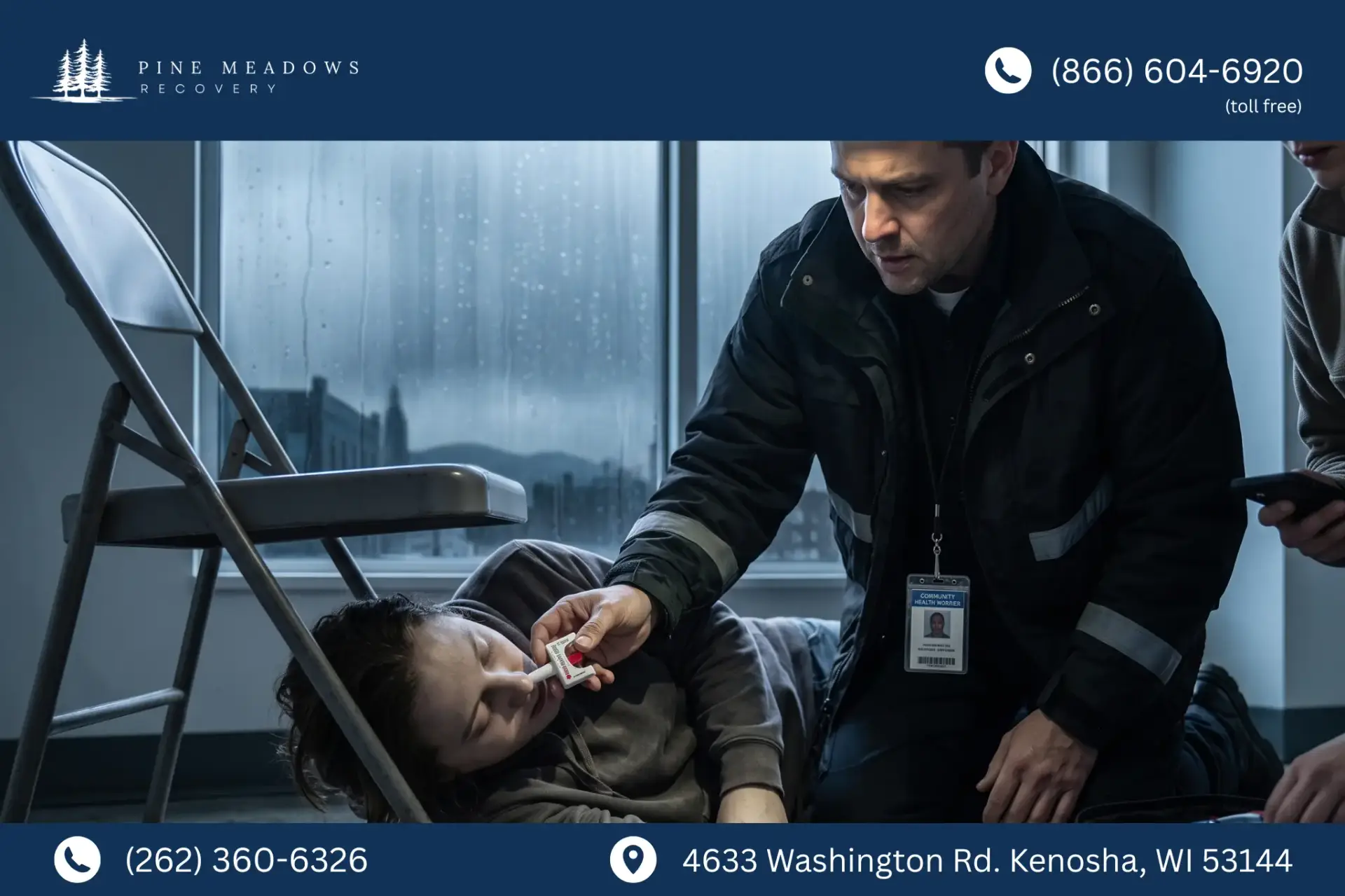
How to Recognize a Fentanyl Overdose
A fentanyl overdose is a medical emergency.
Common Warning Signs
- Slow or stopped breathing
- Blue or gray lips and fingernails
- Unresponsiveness
- Inability to wake the person
- Pinpoint pupils
- Limp body
- Gurgling or choking sounds
If you suspect an overdose:
- Call 911 immediately.
- Administer naloxone (Narcan) if available.
- Stay with the individual until emergency responders arrive.
- Begin rescue breathing if trained and it is safe to do so.
Prompt action can save a life.
Common Questions Families Ask
Families contacting treatment centers often ask:
- “How addictive is fentanyl?”
- “Can someone recover from fentanyl addiction?”
- “How long does fentanyl stay in your system?”
- “Will withdrawal be painful?”
- “Should we wait until they’re ready for treatment?”
- “Does insurance cover fentanyl rehab in Wisconsin?”
These are important questions, and the answers depend on the individual’s health, history of substance use, and treatment needs.
The good news is that recovery is possible. With professional care, many individuals successfully overcome fentanyl addiction and rebuild healthy, productive lives.
You Don’t Have to Wait for a Crisis
Many families seek treatment only after an overdose, arrest, or medical emergency.
However, early intervention often leads to better outcomes and may reduce the risk of additional health complications.
If you have noticed the warning signs described above, speaking with an addiction treatment professional can help you understand the available treatment options before the situation becomes even more serious.
What Happens During Fentanyl Withdrawal?
One of the biggest fears people have before seeking treatment is withdrawal.
Questions we frequently hear include:
- What does fentanyl withdrawal feel like?
- How long does fentanyl withdrawal last?
- Can I detox from fentanyl at home?
- Is fentanyl withdrawal life-threatening?
The good news is that while fentanyl withdrawal is rarely life-threatening on its own, it can be extremely uncomfortable, leading many people to relapse simply to stop the symptoms.
Because fentanyl is such a powerful synthetic opioid, withdrawal often begins sooner than many other opioids and can feel more intense.
Professional detox provides medical supervision, symptom management, and emotional support, making recovery safer and more manageable.
Fentanyl Withdrawal Timeline
Every person’s experience is different depending on:
- Amount of fentanyl used
- Frequency of use
- Length of addiction
- Overall health
- Other substances being used
Below is a general timeline.
| Time After Last Use | Common Symptoms |
|---|---|
| 6–12 Hours | Anxiety, restlessness, muscle aches, yawning, sweating, cravings |
| 12–24 Hours | Chills, runny nose, nausea, insomnia, stomach cramps |
| 24–72 Hours | Severe body aches, vomiting, diarrhea, rapid heartbeat, intense cravings |
| Days 4–7 | Physical symptoms gradually begin improving, although cravings often continue |
| Weeks 2–6 | Mood changes, anxiety, sleep disturbances and emotional cravings may continue for some individuals |
Although withdrawal itself is usually not fatal, dehydration, relapse, and overdose remain significant concerns during this period.
Why Detoxing Alone Can Be Dangerous
Many Wisconsin residents search online for:
- “How to detox from fentanyl at home”
- “Natural fentanyl detox”
- “Can I quit fentanyl cold turkey?”
While stopping fentanyl suddenly is possible, attempting detox without professional support often leads to:
- Severe dehydration
- Relapse because symptoms become overwhelming
- Increased overdose risk after relapse due to reduced opioid tolerance
- Untreated anxiety or depression
- Lack of medical intervention if complications occur
One of the greatest dangers comes after detox.
Once tolerance decreases, returning to the same amount of fentanyl previously used can dramatically increase the risk of a fatal overdose.
This is why medical professionals strongly encourage individuals with opioid dependence to seek professional treatment rather than attempting recovery alone.

Detox Is Only the Beginning of Recovery
Many people believe detox “cures” addiction.
It doesn’t.
Detox helps remove fentanyl from the body, but addiction also affects the brain, behavior, emotions, and decision-making.
Without continued treatment, many individuals remain vulnerable to relapse because the underlying causes of substance use have not been addressed.
Successful recovery often includes:
- Individual counseling
- Behavioral therapy
- Group therapy
- Relapse prevention planning
- Mental health treatment
- Family support
- Long-term recovery planning
Detox creates the opportunity for recovery—ongoing treatment helps sustain it.
Detox vs. Addiction Treatment
| Medical Detox | Comprehensive Addiction Treatment |
|---|---|
| Focuses on safely managing withdrawal | Addresses the physical, emotional, and psychological aspects of addiction |
| Usually lasts several days | May continue for weeks or months depending on individual needs |
| Stabilizes the body | Builds long-term recovery skills |
| Helps reduce withdrawal symptoms | Helps reduce relapse risk through therapy and ongoing support |
The most effective recovery plans combine both stages, giving individuals the best chance of maintaining long-term sobriety.
Which Treatment Program Is Right for You?
There is no one-size-fits-all solution for fentanyl addiction. A clinical assessment helps determine the appropriate level of care.
| Program | Best For |
|---|---|
| Residential Treatment | Individuals with severe addiction, unstable home environments, or repeated relapse. |
| Partial Hospitalization Program (PHP) | Those who need intensive daytime treatment while returning to supportive housing in the evenings. |
| Intensive Outpatient Program (IOP) | Individuals transitioning from higher levels of care or balancing recovery with work or family responsibilities. |
| Outpatient Treatment | Ongoing recovery support after completing more intensive treatment. |
At Pine Meadows Recovery, treatment plans are personalized to each client’s medical history, substance use pattern, mental health needs, and recovery goals.
Evidence-Based Therapies That Support Lasting Recovery
Long-term recovery involves much more than stopping fentanyl use.
Treatment may include:
- Cognitive Behavioral Therapy (CBT): Helps identify unhealthy thought patterns and develop healthier coping strategies.
- Motivational Interviewing (MI): Strengthens personal motivation to make positive changes.
- Group Therapy: Provides peer support, accountability, and shared recovery experiences.
- Family Therapy: Helps rebuild trust, improve communication, and strengthen family support systems.
- Relapse Prevention Planning: Teaches practical strategies for managing triggers, cravings, and high-risk situations.
For individuals living with both addiction and conditions such as anxiety, depression, or PTSD, integrated treatment for co-occurring disorders can improve long-term outcomes.
Recovery Is Possible
Fentanyl addiction can feel overwhelming, but it is treatable.
Every day, people across Kenosha, Milwaukee, Racine, Madison, Green Bay, and communities throughout Wisconsin begin recovery with professional support.
If you or someone you care about is struggling with fentanyl use, reaching out today could be the first step toward a healthier future. A confidential assessment can help determine the safest and most effective treatment plan based on your unique needs.
Call today: +1-866-604-6920 & Verify Insurance today to see all benefits.