
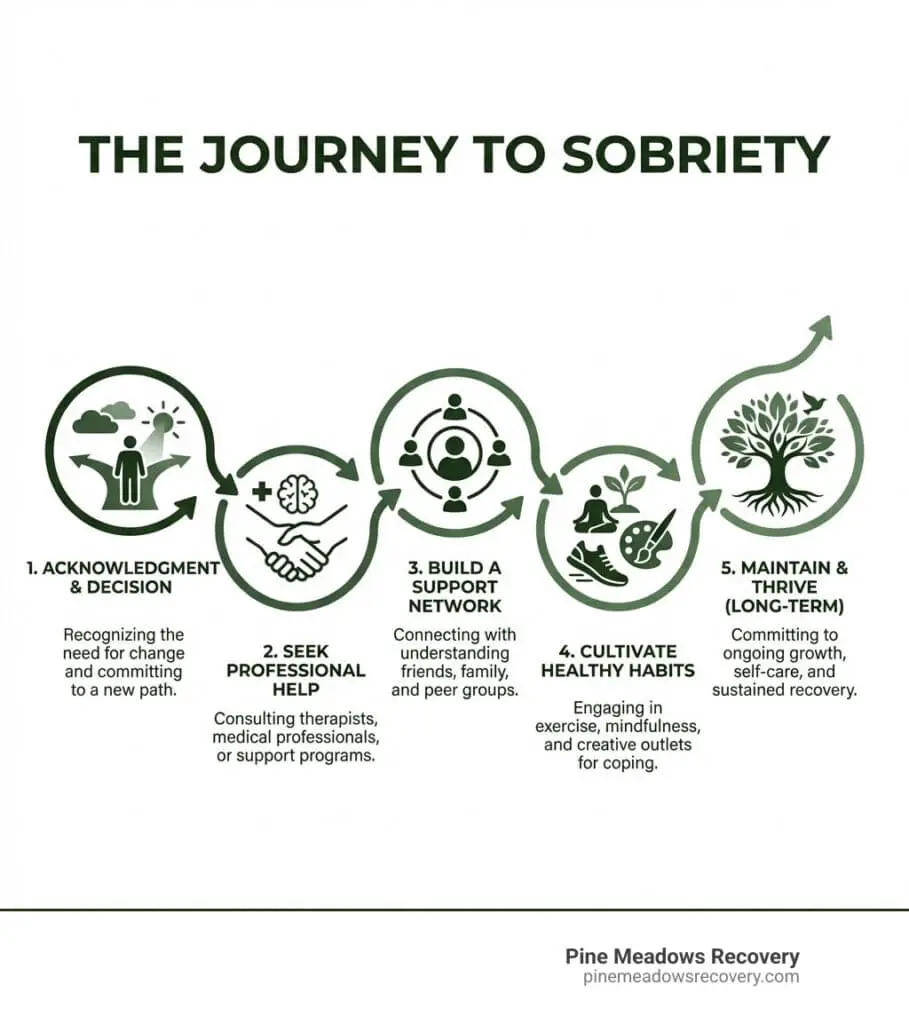
Understanding the Journey to Sobriety
How to get sober is not just about stopping drinking—it’s about reclaiming your life, health, and peace of mind. If you’re reading this, you’ve already taken the hardest step: acknowledging that change is needed.
Quick Answer: The Essential Steps to Get Sober
- Recognize the problem – Identify signs of alcohol use disorder and admit you need help.
- Seek medical support – Never attempt detox alone; withdrawal can be dangerous or fatal.
- Choose a treatment program – Find evidence-based care that fits your needs (PHP, IOP, or residential).
- Build your support system – Connect with therapists, support groups, and loved ones.
- Create a long-term plan – Develop coping strategies and identify triggers.
- Maintain your recovery – Continue therapy, attend meetings, and practice daily self-care.
Getting sober is a gradual process, but recovery is possible for everyone, no matter how severe the problem may seem. You don’t have to hit “rock bottom” to seek help; the earlier you start, the better. Millions of adults struggle with alcohol use disorder (AUD), and you are not alone.
The path to sobriety involves immediate challenges like withdrawal and long-term work like building new habits. This guide will walk you through each phase with practical, actionable steps to help you move from struggle to serenity.
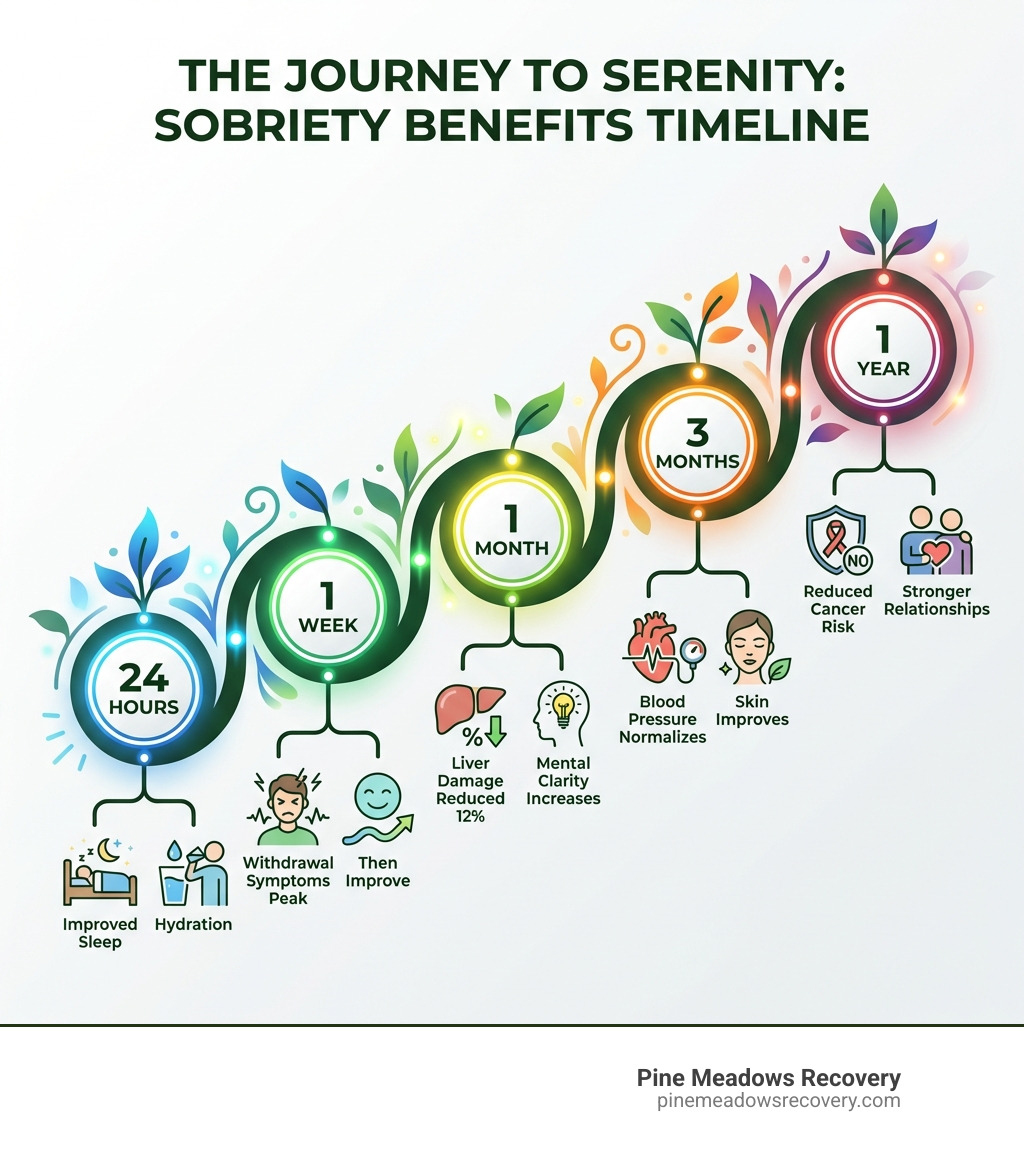
Recognizing the Need for Sobriety
Taking the first step toward how to get sober begins with self-reflection. It’s about honestly assessing the costs of drinking and acknowledging they outweigh any perceived benefits. Many of us ask, “Do I have a drug problem?” Recognizing that addiction is a chronic brain disease, not a moral failing, helps us move past shame and toward effective solutions.
Signs You May Have an Alcohol Use Disorder (AUD)
Alcohol Use Disorder (AUD) is a medical condition where one cannot stop or control alcohol use despite negative consequences. Recognizing these signs is a critical step toward change. According to the DSM-5, signs of AUD include:
- Drinking more or longer than intended.
- Unsuccessful attempts to cut down or quit.
- Strong cravings to drink.
- Neglecting responsibilities at work, school, or home.
- Continued use despite relationship problems.
- Developing a tolerance, needing more alcohol for the same effect.
- Experiencing withdrawal symptoms like shakiness, anxiety, or nausea when not drinking.
If you recognize several of these signs, professional help can be beneficial.
How Addiction Impacts Your Health
The impact of alcohol addiction is far-reaching, affecting both physical and mental health.
Physical Health Deterioration:
- Liver Damage: Chronic drinking can lead to fatty liver, hepatitis, and cirrhosis. Even a brief pause can reduce liver damage.
- Gastrointestinal Irritation: Alcohol can cause painful inflammation of the stomach lining (gastritis).
- Poor quality sleep: Alcohol disrupts REM sleep, leading to fatigue and exhaustion.
- Dehydration and Low Blood Sugar: As a diuretic, alcohol causes dehydration. It also affects insulin secretion, leading to low blood sugar, fatigue, and light-headedness.
- Increased Cancer Risk: The CDC links all types of alcohol to a higher risk of certain cancers, including colorectal and breast cancers.
Mental Health Decline:
- Increased Anxiety and Depression: Alcohol can worsen mental health conditions. People with AUD are more likely to suffer from major depression or anxiety.
- Co-occurring Disorders: Substance use often co-exists with other mental health disorders like PTSD, depression, and anxiety. Untreated co-occurring disorders make recovery much more challenging.
The Immediate and Long-Term Benefits of Getting Sober
Choosing how to get sober is a transformative decision with immediate and long-term rewards.
- Improved Sleep and Mental Clarity: Sobriety leads to more restorative sleep and less brain fog.
- Better Physical Health: Your skin becomes clearer and more hydrated. Abstaining also contributes to healthy weight management and significantly lowers your cancer risk.
- Financial Savings: The money saved from not buying alcohol can be used for hobbies, travel, or other financial goals.
- Stronger Relationships: Sobriety allows you to rebuild trust and foster deeper connections with loved ones. Family therapy can be instrumental in this healing process.
- Increased Self-Esteem: By achieving goals and making positive changes, sobriety helps rebuild the self-worth that addiction erodes.
These benefits highlight the profound positive impact of sobriety. For more information on how sobriety can improve your life, visit our page on More info about Alcohol Abuse Treatment.
Your First Steps: How to Get Sober
Deciding how to get sober is a monumental step that requires a clear plan and support. It’s a journey that unfolds in stages, from making the decision to navigating detox and choosing a treatment program. This phase is about laying a solid foundation for recovery.

Step 1: Making the Decision and Preparing for Change
The first step is admitting you have a problem and committing to change. Preparation is key to success.
- Admit the problem: Honestly assess alcohol’s negative impact on your life.
- Set a quit date: A specific date provides a tangible goal and allows time to prepare.
- Remove alcohol from home: Create a substance-free environment to minimize triggers.
- Inform trusted friends and family: Let loved ones know about your decision so they can provide support.
- Identify your “why”: Write down your core motivations for getting sober (health, family, career) and revisit them during challenging moments.
Step 2: Understanding Detox vs. Long-Term Sobriety
It’s important to distinguish between detox and long-term sobriety.
- Detox Defined: Detoxification is the physical process of clearing the body of substances and managing withdrawal symptoms. Its purpose is to stabilize the body safely. The timeline varies but often lasts about a week for alcohol.
- Sobriety Defined: Sobriety is a long-term lifestyle change involving mental, emotional, and physical healing. It’s about developing new coping mechanisms and addressing the root causes of addiction. Detox addresses the physical dependence, but true sobriety requires treating the psychological aspects through ongoing therapy and support.
Detox is the first step, but the real work of sustained sobriety begins afterward. For more details, visit our page on More info about Detoxification.
Step 3: The Dangers of At-Home Detox and Why Medical Supervision is Crucial for learning how to get sober
Quitting “cold turkey” at home can be incredibly dangerous, especially for those with moderate to severe alcohol dependence.
- Alcohol Withdrawal Dangers: Suddenly stopping alcohol can trigger severe and potentially fatal withdrawal symptoms as the nervous system goes into overdrive. While some symptoms are mild (anxiety, nausea), they can escalate quickly.
- Delirium Tremens (DTs): A severe form of withdrawal that can include agitation, hallucinations, and rapid heart rate. DTs are a medical emergency and can be fatal if untreated.
- Seizures: Alcohol withdrawal can cause seizures, which pose a significant risk of injury or death.
Medical Detox Safety: A medically supervised detox, like those at Pine Meadows Recovery, provides a safe environment where professionals monitor vital signs and manage symptoms with medication. This makes the process safer and more comfortable, setting the stage for further treatment. Attempting to detox at home without medical supervision can be deadly.
Step 4: Finding the Right Professional Treatment Program
After detox, choosing the right treatment program is pivotal for long-term recovery. Pine Meadows Recovery in Kenosha, Wisconsin, offers a range of evidence-based programs custom to individual needs.
- Levels of Care: Treatment is structured to meet varying needs.
- Partial Hospitalization Program (PHP): Intensive day treatment while allowing clients to return home or to sober living at night.
- Intensive Outpatient Program (IOP): A step-down from PHP with fewer hours, allowing individuals to manage work or school responsibilities.
- Residential Treatment: 24/7 care in a live-in facility, removing individuals from triggering environments to focus solely on recovery.
- Personalized Care: Effective treatment is not one-size-fits-all. A personalized plan considers your unique history, co-occurring disorders, and recovery goals.
- Evidence-Based Therapies: Quality programs use scientifically proven therapies like Cognitive Behavioral Therapy (CBT), Dialectical Behavior Therapy (DBT), and trauma-informed care to equip you with the tools for lasting sobriety.
Building a Life in Recovery
Getting sober is a journey, not a destination. After primary treatment, the focus shifts to building a fulfilling life in recovery. This means developing new coping strategies, fostering healthy relationships, and establishing a robust support system to steer challenges and prevent relapse.
The Role of Therapy and Treating Co-Occurring Disorders
Therapy is a cornerstone of recovery, addressing the root causes of addiction. Since substance use is often linked to underlying mental health conditions, integrated treatment is vital.
- Cognitive Behavioral Therapy (CBT): A highly effective therapy that helps identify and change negative thought patterns and behaviors related to substance use.
- Individual and Group Therapy: One-on-one counseling provides a safe space for personal exploration, while group therapy offers a sense of community and shared experience.
- Importance of Treating Underlying Issues: Conditions like trauma, anxiety, and depression often fuel addiction. Effective recovery requires treating these co-occurring disorders simultaneously. This integrated approach, known as dual diagnosis treatment, is crucial for preventing relapse. Pine Meadows Recovery offers specialized Dual Diagnosis Treatment to ensure comprehensive care.
Creating a Strong Support System
No one should walk the path of recovery alone. A strong support system provides encouragement, accountability, and understanding.
- Loved Ones and Family Therapy: Support from family and friends is invaluable. Family therapy can help repair relationships, improve communication, and educate family members on how to best support their loved one’s recovery.
- Peer Support Groups: These groups offer a community of people with shared experiences, providing empathy and hope.
- 12-Step Programs (AA): Alcoholics Anonymous is a well-known program based on mutual support. Research shows that participation can lead to better outcomes.
- Non-12-Step Groups (SMART Recovery): Alternatives like SMART Recovery (Self-Management And Recovery Training) offer science-based tools for those who prefer a different approach. Other options include LifeRing and Secular AA.
A strong social support network is a vital component of a successful recovery journey, as emphasized by research on social support in recovery.
How to Maintain Sobriety and Prepare for Social Events
Maintaining long-term sobriety requires vigilance and proactive planning, especially for social events involving alcohol.
- Identify Triggers: Recognize the people, places, or emotions that provoke cravings so you can manage them.
- Use HALT: Check if you are Hungry, Angry, Lonely, or Tired. Addressing these basic needs can reduce vulnerability to relapse.
- Develop Healthy Coping Skills: Replace drinking with healthy alternatives like exercise, meditation, or creative hobbies.
- Have an Exit Plan: For social events, decide on your departure time in advance to reduce anxiety.
- Bring Non-Alcoholic Drinks: Having your own mocktail or sparkling water helps you feel included and avoids questions.
- Practice Saying “No”: It’s okay to decline drinks or invitations. A simple “No thanks, I’m not drinking tonight” is enough.
- Find Sober Hobbies: Build a new life with activities that don’t revolve around alcohol.
- Consider Sober Living: Sober living homes offer a structured, supportive environment that can be an excellent step-down after residential treatment.
Debunking Myths and Finding Real Solutions
When learning how to get sober, it’s crucial to separate fact from fiction, especially regarding myths about “sobering up quickly.” There are no shortcuts; your body processes alcohol at a fixed rate.
Common Myths About Sobering Up Quickly
Relying on popular myths to reverse alcohol’s effects is ineffective and can be dangerous.
- Myth: Drinking coffee sobers you up. Caffeine makes you feel more alert, but it doesn’t lower your blood alcohol concentration (BAC) or reduce impairment. You’re still just as drunk.
- Myth: Taking a cold shower sobers you up. A cold shower provides a jolt but doesn’t speed up alcohol metabolism. It can be dangerous, as the shock to your system could lead to hypothermia or loss of consciousness.
- Myth: Forcing yourself to vomit sobers you up. This removes only a small amount of alcohol and won’t significantly reduce your BAC once it’s in your bloodstream. It also carries risks like dehydration and aspiration.
These methods provide a false sense of security and do not make it safe to drive or perform other tasks.
What Actually Helps Your Body Process Alcohol?
Understanding how your body metabolizes alcohol is key.
- Time Is the Only Factor: Your liver breaks down alcohol at a constant rate of about one standard drink per hour. This process cannot be sped up.
- Hydration: While water won’t make you sober faster, it counteracts the dehydrating effects of alcohol, which can help alleviate hangover symptoms like headaches and fatigue.
- Rest: Sleep allows your body to recover. It doesn’t accelerate sobriety, but it’s essential for healing from alcohol’s effects.
The only way to sober up is to give your body time. The best approach is to drink responsibly or, if you’re struggling, to seek professional help to get sober.
Frequently Asked Questions about Getting Sober
When starting the journey of how to get sober, many questions arise. Here are answers to some common ones.
How long does alcohol withdrawal last?
The timeline for alcohol withdrawal varies based on factors like drinking history and overall health.
- Typical Timeline:
- 6-12 hours: Mild symptoms like headache, anxiety, and nausea begin.
- 12-48 hours: Symptoms can intensify to include tremors and confusion.
- 48-72 hours: This is the peak risk period for severe symptoms like hallucinations, seizures, and Delirium Tremens (DTs).
- 3-7 days: Acute physical symptoms usually begin to subside.
- Weeks to Months: Psychological symptoms like anxiety and depression (Post-Acute Withdrawal Syndrome or PAWS) can persist.
- When to Seek Medical Help: Due to the risk of life-threatening complications like seizures and DTs, medical supervision for detox is always recommended. Seek emergency help for severe symptoms like confusion, fever, or seizures.
Can I get sober without a 12-step program?
Yes. While 12-step programs like Alcoholics Anonymous (AA) are effective for many, they are not the only path. Recovery is not one-size-fits-all.
- Alternative Support Groups: Excellent non-12-step options include:
- SMART Recovery: Uses cognitive-behavioral tools for self-empowerment.
- LifeRing Secular Recovery: A secular approach emphasizing personal responsibility.
- Secular AA: Offers the peer-support model of AA without the spiritual focus.
- Importance of Support: Regardless of the program, a strong support system of therapy, family, and peers is crucial for success.
How do I handle cravings for alcohol?
Cravings are a normal part of recovery. Learning to manage them is a vital skill.
- Urge Surfing: Mindfully observe the craving as a wave of physical sensations that will pass, typically within 15-30 minutes.
- Distraction: Engage in an activity that occupies your mind, such as exercising, listening to music, or working on a hobby.
- Call for Support: Reach out to a sponsor, therapist, or trusted friend for encouragement and perspective.
- Remember Your “Why”: Revisit the reasons you chose to get sober to reinforce your motivation.
- HALT Check: Ask if you’re Hungry, Angry, Lonely, or Tired. Addressing these needs can reduce craving intensity.
Cravings are temporary. With practice, you can learn to steer them successfully.
Your Path to a Healthier Future Starts Today
The journey to how to get sober is a profound testament to strength, resilience, and the human spirit. We understand that this path is unique for everyone, filled with its own set of challenges and triumphs. It’s about acknowledging where you’ve been, embracing where you are, and stepping confidently towards a healthier, more fulfilling future.
At Pine Meadows Recovery in Kenosha, Wisconsin, we believe in a holistic approach to recovery, addressing not just the substance use but also the underlying mental, emotional, and spiritual needs. Our personalized, evidence-based care is designed to support you every step of the way, from detoxification through various treatment programs and into long-term aftercare.
Recovery is a process of growth, and acknowledging your progress, no matter how small, is vital. If setbacks occur, they are not failures but learning opportunities. Help is always available, and you don’t have to steer this journey alone. We are here to offer compassion, expertise, and a safe space for you to heal and rebuild.
Take the first step towards lasting healing and reclaim your life. We are ready to help you find your path from struggle to serenity.
Explore our treatment programs