
Why Finding Addiction Treatment is the First Step Toward Hope and Healing
Find addiction treatment resources are available right now, and you don’t have to steer this journey alone. Whether you’re struggling with substance use yourself or seeking help for a loved one, understanding where to start can make all the difference.
Quick Ways to Find Addiction Treatment:
- Call or text 988 – Immediate crisis support available 24/7
- Visit FindTreatment.gov – Free, confidential government locator for treatment facilities nationwide
- Contact your family doctor – Get referrals to local treatment providers
- Call SAMHSA’s National Helpline at 1-800-662-4357 – Free, confidential information and referrals
- Check with your insurance – Many plans cover addiction treatment services
Over 46 million Americans aged 12 or older struggle with substance use disorder, yet 94% of those individuals don’t receive treatment. These numbers reveal a troubling gap, but also show you’re far from alone in facing this challenge.
As one parent shared after seeking help for their son’s addiction: “I felt that I had failed my son. Mom should have been able to do that right?” The truth is, asking for help isn’t a sign of failure—it’s a sign of strength and the beginning of healing.
This guide will walk you through everything you need to know about finding quality addiction treatment. You’ll learn about different levels of care, how to choose a reputable facility, what questions to ask, and how to steer insurance coverage. More importantly, you’ll find that effective, compassionate treatment is accessible and that long-term recovery is possible.
More than 35% of people will experience a mental health or addiction problem at some point in their lives. Treatment works, and the path forward starts with taking that first brave step to seek help.
Understanding the Different Levels of Addiction Care
When we talk about addiction treatment, it’s important to understand that there’s no single solution that fits everyone. Effective, modern-day treatment is highly individualized, determined by your unique situation, the substances involved, the duration and extent of use, and your clinical milestones. We believe in a continuum of care, meaning treatment plans should be reassessed and adjusted as you progress, ensuring you receive the right level of support at every stage of your recovery.

Detoxification: The First Step
For many, the journey to recovery begins with detoxification, or “detox.” This is the process of safely managing withdrawal symptoms as the body rids itself of substances. It can be an uncomfortable, and sometimes dangerous, experience, which is why medically supervised detoxification is crucial. Our team of trained medical professionals monitors you around the clock, ensuring your safety and comfort.
For example, alcohol withdrawal can range from mild symptoms like headaches and nausea to severe, life-threatening seizures. Detoxing from opioids can feel like a severe case of the flu, often referred to as “dope sick.” During detox, we can use medication to ease discomfort and manage cravings, preparing you for the next steps in your treatment.
More info about Detoxification Treatment
Inpatient and Residential Treatment
After detox, or for those who don’t require it, inpatient or residential treatment offers a structured, substance-free environment with 24/7 care. This level of care is often ideal for individuals with moderate to severe substance use disorders, especially those who have struggled with previous attempts at sobriety, have unstable living situations, or are dealing with co-occurring mental health conditions. In a residential setting, you can fully immerse yourself in therapy and healing, away from the triggers and stresses of daily life.
Many people who struggle with alcohol or drug addiction also have a co-occurring mental health condition such as anxiety or depression. Inpatient programs are particularly effective in treating these dual diagnoses, providing integrated care for both conditions simultaneously.
Learn about Dual Diagnosis Treatment
Outpatient Treatment Programs
Outpatient programs offer flexibility, allowing you to live at home while attending scheduled therapy sessions. This can be a great option for individuals with milder substance use disorders, those with strong support systems, or as a “step-down” approach after completing an inpatient program.
We offer various forms of outpatient care to meet diverse needs:
- Partial Hospitalization Program (PHP): This provides a high level of structured care, similar to inpatient, but you return home each evening. It’s an intensive option for those who need significant support but don’t require 24/7 residential care.
More info about our Partial Hospitalization Program (PHP) - Intensive Outpatient Program (IOP): IOP offers fewer hours of treatment per week than PHP, balancing therapy with personal responsibilities like work or family.
More info about our Intensive Outpatient Program
Evidence-Based Therapies and Approaches
Regardless of the level of care, effective addiction treatment relies on evidence-based practices—therapies proven through research to be effective. These approaches address the underlying causes of addiction and equip you with coping skills for long-term recovery.
Some common and highly effective therapies we use include:
- Cognitive Behavioral Therapy (CBT): This helps you identify and change negative thought patterns and behaviors that contribute to substance use.
- Dialectical Behavior Therapy (DBT): Often used for individuals with intense emotional regulation issues, DBT teaches skills in mindfulness, distress tolerance, emotional regulation, and interpersonal effectiveness.
- Holistic Therapy: This approach addresses the whole person—mind, body, and spirit—incorporating wellness activities like yoga, meditation, and nutritional guidance alongside traditional therapy.
Family involvement is also a key component in many effective treatment approaches. For adolescents, in particular, custom programs often involve family members or other caregivers in the treatment process. This is vital because the brain areas most closely associated with behaviors like decision-making, judgment, planning, and self-control are still developing through early adulthood, making adolescents particularly vulnerable to the effects of drug use. Ideally, co-occurring conditions such as ADHD, conduct problems, depression, and anxiety should be treated in tandem with the adolescent’s substance use disorder.
Effective treatment approaches for addiction
More info about Mental Health Treatment
How to Find Addiction Treatment: A Step-by-Step Guide
The journey to find addiction treatment can feel overwhelming, but there are numerous confidential resources and government-backed tools available to help. We’ll guide you through how to use them to find the right support.

Use National Locators to Find Addiction Treatment
One of the most reliable places to start your search for addiction treatment is with national government resources.
FindTreatment.gov is a confidential and anonymous resource for persons seeking treatment for mental and substance use disorders in the United States and its territories. It’s a service offered by the Substance Abuse and Mental Health Services Administration (SAMHSA), the agency within the U.S. Department of Health and Human Services that leads public health efforts to advance the behavioral health of the nation.
Here’s what you need to know about FindTreatment.gov:
- What it offers: This locator provides information on state-licensed providers who specialize in treating substance use disorders and mental illness. It helps individuals find treatment options in their specific geographic location within the US and its territories.
- Who can use it: Anyone struggling with mental and substance use disorders, or their loved ones, is eligible to use FindTreatment.gov. It’s available in English and Spanish.
- Confidentiality: FindTreatment.gov ensures confidentiality and anonymity for users, providing a safe space to search for help without fear of judgment.
- Types of disorders: It helps you find resources for a wide range of mental and substance use disorders, facilitating access to care for millions of Americans.
- Security: As a .gov domain, FindTreatment.gov is an official government website, and its use of HTTPS ensures a secure connection, protecting your sensitive information.
Find a treatment center near you
Find Addiction Treatment for Immediate or Specialized Needs
Sometimes, the need for help is immediate, or you’re looking for very specific types of treatment.
- 988 Suicide & Crisis Lifeline: If you or someone you know is in crisis, call or text 988 anytime in the US and Canada. This lifeline provides 24/7, free, and confidential support for people in suicidal crisis or emotional distress. It’s a vital resource for immediate help.
Get immediate help with the 988 Lifeline - Opioid Treatment Program Directory: For those specifically struggling with opioid use disorder, SAMHSA offers a dedicated directory to find accredited programs that can provide specialized treatment, including medication-assisted treatment (MAT).
Opioid Treatment Program Directory - Buprenorphine Practitioners: The directory also helps locate practitioners who are authorized to prescribe buprenorphine, a medication used to treat opioid use disorder. This is particularly relevant for adolescents aged 16 and over who have opioid use disorder, as buprenorphine is an approved treatment option for them.
- Veterans Crisis Line: For our nation’s veterans and service members, specialized support is available. The Veterans Crisis Line connects veterans in crisis and their families and friends with qualified Department of Veterans Affairs responders through a confidential toll-free hotline, online chat, or text.
Support for Veterans
Explore Local and Community-Based Options
Beyond national directories, local resources play a critical role in finding the right support.
Your family doctor or nurse practitioner can be an excellent first point of contact. They can evaluate your situation, discuss treatment options, and provide referrals to mental health and addiction service providers in Kenosha, Wisconsin, or surrounding areas. We always recommend consulting with your primary care provider as they understand your overall health history.
While we focus on serving our community in Kenosha, Wisconsin, it’s worth noting that some regions, like Ontario, Canada, have comprehensive, publicly funded systems to help individuals find addiction treatment. For example, Ontario residents can access services through ConnexOntario, a directory of community mental health and addictions services, or Health811, a 24/7 health advice line. These examples highlight the importance of understanding and utilizing local and regional support networks available in your area.
For Kenosha residents, exploring local behavioral health services, county resources, and community mental health centers can provide custom support and referrals specific to our region.
How to Choose a Quality Treatment Center
Choosing a drug or alcohol rehab center for yourself or a loved one can feel overwhelming. With the rise of the opioid epidemic, there has unfortunately been an influx of deceptive marketing and unethical practices by some providers. We want to empower you with the knowledge to make an informed decision and find addiction treatment that is truly high-quality and effective.
Accreditation and Licensing
One of the most important indicators of a quality treatment center is its accreditation and licensing.
- Accreditation: Reputable drug rehab centers are accredited by independent, non-profit organizations that base accreditation on industry performance standards and demonstrated results. Look for centers accredited by:
- The Joint Commission: This organization accredits and certifies nearly 22,000 health care organizations and programs in the United States. Meeting their standards signifies a commitment to high-quality care.
The Joint Commission - Commission on Accreditation of Rehabilitation Facilities (CARF): CARF accreditation shows a program’s commitment to delivering services that are measurable, accountable, and of high quality.
Commission on Accreditation of Rehabilitation Facilities
- The Joint Commission: This organization accredits and certifies nearly 22,000 health care organizations and programs in the United States. Meeting their standards signifies a commitment to high-quality care.
- State Licensing: While accreditation indicates adherence to higher industry standards, state licensing is a mandatory requirement. Ensure any facility you consider is properly licensed by the state of Wisconsin.
- LegitScript Certification: For centers advertising online, LegitScript certification is often required by platforms like Google and Facebook, serving as a consumer protection measure. This indicates the center has met rigorous standards for transparency and legality.
Staff Credentials and Treatment Approach
The expertise of the staff and the methods they employ are crucial for effective treatment.
- Multidisciplinary Team: A high-quality program should involve a multidisciplinary team. This includes counselors, medical doctors, nurses, psychiatrists, psychologists, nutritionists, and wellness specialists who work together to address all aspects of addiction and mental health. Be wary if one staff member seems to wear too many hats.
- Licensed Counselors: Clinical staff should hold nationally recognized credentials such as LADC (Licensed Alcohol and Drug Counselor), LPC (Licensed Professional Counselor), CAC (Certified Addictions Counselor), or CCDP (Certified Co-occurring Disorders Counselor). These certifications ensure they have the necessary training and experience.
- Evidence-Based Practices: Ask if the center uses evidence-based practices. These are therapeutic interventions and programs proven through scientific research to be effective. Examples include Cognitive Behavioral Therapy (CBT) and Motivational Interviewing.
- Co-occurring Disorders: Many individuals with substance use disorders also have co-occurring mental health conditions. A quality center will offer integrated treatment that addresses both the addiction and any mental health disorders simultaneously.
- Patient-to-Counselor Ratio: A lower patient-to-counselor ratio often indicates more individualized attention and a higher quality of care.
Program Details and Financials
Understanding the specifics of the program and how it’s financed is essential.
- Individualized Plans: Effective treatment plans are never one-size-fits-all. They should be custom to your unique needs, evolving as you progress through recovery.
- Program Length: The duration of treatment should ideally be determined by your clinical progress, not a fixed number of days. Programs offering multiple levels of care allow for adjustments based on recovery milestones.
- Family Support Programs: Addiction is often referred to as a family disease because it affects everyone. Quality programs offer education and support for family members, involving them in the recovery process to foster healing and healthy boundaries.
- Aftercare and Relapse Prevention: Recovery is a lifelong journey. A good program will provide robust post-treatment support, including relapse prevention strategies, alumni programs, and connections to ongoing community resources.
- Insurance Coverage: Many private insurance plans, Medicare, and Medicaid/CHIP cover addiction treatment. It’s crucial to verify if the facility is “in-network” with your insurance, which often means they meet quality standards set by the insurance company. Always confirm coverage directly with your insurance provider.
Verify your insurance coverage
The Crucial Role of Family and Aftercare in Recovery
Addiction is often called a family disease, and for good reason. It impacts everyone involved, creating a ripple effect of pain, confusion, and helplessness. Involving loved ones in the treatment process is often key to long-term success, helping to heal family dynamics and build a strong support system. This is particularly true when it comes to adolescent treatment needs, where family involvement can be a cornerstone of recovery.
Support for Families and Caregivers
As parents, partners, or friends, it’s natural to feel a mix of emotions when a loved one struggles with addiction. Yvonne’s personal story about seeking help for her son’s addiction highlights this deeply. She initially felt she had failed her son, believing a mother should be able to “fix” her child. This feeling of failure is common among parents. However, as Yvonne learned, asking for help from professionals is not a sign of failure; it’s a courageous act of love and strength.
When a parent realizes their child needs professional help for addiction, the main points to consider are:
- Recognize professional limits: Understand that addiction is a complex disease, and parental efforts alone may not be enough. It’s okay to admit you need expert assistance.
- Overcome pride: Yvonne’s story shows the importance of overcoming the pride that might prevent seeking external help. Trusting professionals, like an interventionist, can guide the entire family toward a path to recovery.
- Seek intervention: If a loved one is in denial or resistant to treatment, a professional interventionist can facilitate a structured conversation, helping them accept help.
- Family healing: Addiction affects the entire family. Programs that offer family therapy and support groups like Al-Anon and Nar-Anon (for friends and family of those with addiction) can provide invaluable support for everyone involved.
The advice given to parents who feel they have failed their child due to addiction is clear: you haven’t failed. You are doing the best you can in a difficult situation. Seeking professional help is the most loving and effective step you can take to support your child’s recovery and begin your own healing process.
Planning for Long-Term Sobriety
Treatment doesn’t end when a program concludes. Long-term sobriety requires ongoing effort and a strong support network. This “aftercare” is vital for preventing relapse and building a fulfilling life in recovery.
General recommendations for treating adolescents with drug use problems, as with adults, emphasize long-term support. Adolescents benefit from custom programs that involve their families and address co-occurring mental health issues. Specific resources for adolescents struggling with addiction include specialized programs designed for their developmental stage and, for opioid use disorder, medications like buprenorphine for those aged 16 and over.
Key components of effective aftercare include:
- Support Groups: Peer support groups are instrumental for continued care.
- 12-Step Programs: Alcoholics Anonymous (AA) and Narcotics Anonymous (NA) are widely known 12-step programs that provide a community of individuals sharing their experiences and offering mutual support.
- SMART Recovery™: This is an alternative support group that uses a science-based, self-empowering approach to recovery.
- Sober Living Homes: These residences provide a supportive, drug-free environment, acting as a bridge between inpatient treatment and returning to everyday life. They help reinforce learned behaviors and build a sober network.
More info about Sober Living - Building a Sober Network: Connecting with others in recovery, finding sponsors, and engaging in healthy social activities are crucial for maintaining sobriety.
- Continued Therapy: Regular individual or group therapy sessions can help address ongoing challenges and reinforce coping skills.
Read our blog on recovery topics
Frequently Asked Questions about Finding Addiction Treatment
We understand you likely have many questions as you steer the process to find addiction treatment. Here are answers to some common concerns:
How do I pay for treatment if I don’t have insurance?
Don’t let lack of insurance deter you from seeking help. There are several options available:
- SAMHSA Resources: As mentioned earlier, SAMHSA provides extensive resources on finding treatment, including guidance for those without insurance. Their website lists free or low-cost treatment options.
- State-Funded Programs: Many states, including Wisconsin, offer publicly funded addiction treatment programs. These are often managed at the county level. You can inquire with Kenosha County behavioral health services for local options.
- Sliding Scale Fees: Some treatment centers offer services on a sliding scale, meaning the cost is adjusted based on your income and ability to pay.
- Payment Plans: Many facilities are willing to work with you to set up manageable payment plans.
- Non-Profit Organizations: Various non-profit organizations and charities offer financial assistance or free services for addiction treatment.
How long does addiction treatment last?
The duration of addiction treatment is highly individualized and varies greatly. It is not a fixed duration, but rather determined by your unique situation and clinical progress. While some programs may be 30, 60, or 90 days, effective treatment continually reassesses and adjusts the plan as you progress. The goal is to ensure you have everything you need for successful, long-lasting recovery. This often means transitioning through different levels of care, starting with more intensive programs and gradually moving to less intensive ones as you gain stability and coping skills. Recovery is a lifelong process, and aftercare can continue indefinitely.
What should I do if a loved one refuses to get help?
It can be incredibly frustrating and heartbreaking when a loved one resists treatment. Here’s what we recommend:
- Seek Professional Intervention: A professional interventionist can be invaluable. They are trained to guide families through a structured conversation, helping the individual understand the impact of their addiction and motivating them to accept help. As Yvonne’s story illustrates, an interventionist can be an “angel walking this earth,” providing the expertise needed when family efforts feel exhausted.
- Set Boundaries: While you can’t force someone into treatment, you can set healthy boundaries to protect yourself and encourage change.
- Express Concern Without Judgment: Communicate your concerns in a loving, non-confrontational way. Focus on the behaviors and their consequences rather than labeling or shaming the individual.
- Attend Family Support Groups: Groups like Al-Anon or Nar-Anon can provide support and guidance for you, regardless of whether your loved one chooses to seek treatment.
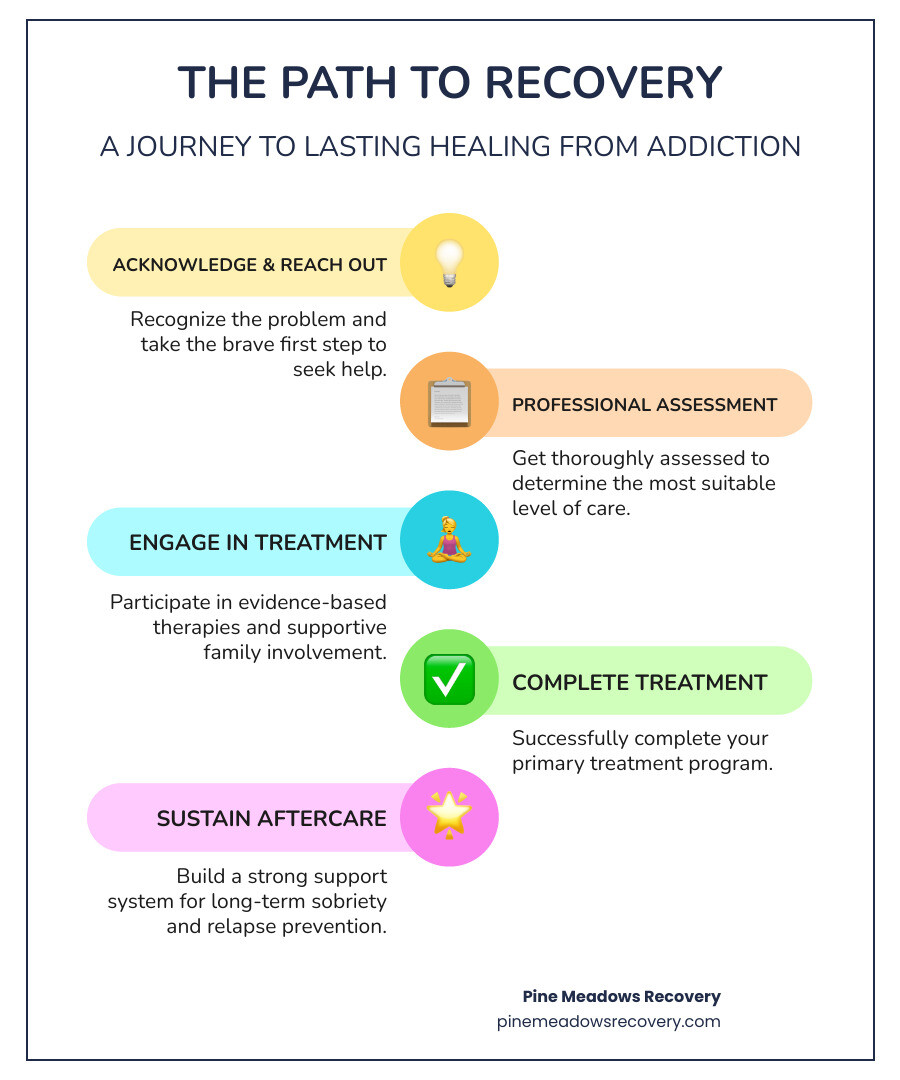
Your Path to Recovery Starts Today
Taking the first step to find addiction treatment is an incredibly brave and significant decision. We hope this guide has illuminated the path forward, showing you that comprehensive resources are available, and quality, client-centered care is within reach. Vetting providers carefully, understanding the different levels of care, and planning for long-term support are all key to a successful recovery journey.
At Pine Meadows Recovery, we are dedicated to providing evidence-based, holistic, and personalized programs for substance abuse and co-occurring disorders right here in Kenosha, Wisconsin. We focus on long-term healing and client-centered care, because we believe everyone deserves a chance at a healthier, happier life.
Your journey to recovery starts today, and we are here to support you every step of the way.