
Many first responders and those in other high-stress jobs will encounter situations the average person can’t imagine. There may be long hours, consistent trauma, intense pressure, and emotionally devastating experiences on a regular basis for police officers, firefighters, EMTS, members of the military, health care providers, dispatchers, and other similar jobs. Anxiety, depression, substance use and burnout are increasingly likely and persistent conditions resulting from these jobs.
In this blog, we will talk about Addiction Treatment for First Responders and High-Stress Professions.
Why Is Addiction More Prevalent Among First Responders?

These are working under high-stress jobs or very demanding, and result-oriented jobs. They are prone to seeing accidents, violence, death, and other traumatic instances.
They struggle with inconsistent working hours and sleep, exhaustion, and round-the-clock responsibility.
Some of the potential risks associated with these circumstances are: Multiple traumatic exposures Long, irregular work hours Persistent burnout Excessive stress Constant physical fatigue and sleep deprivation Inability to process emotions caused by trauma Pressure to hold emotions inside ready availability of alcohol and prescription medications Fear of negative judgment from co-workers (and superiors) Relying on drugs or alcohol to feel momentarily at peace First responder trauma is not going to result in addiction automatically. Nonetheless, the more an individual understands potential problems, the more effectively these may be prevented and treated.
Warning signs to seek outside help may include

Alcohol abuse and drug use may go unnoticed if the individual can continue to work. Keep an eye out for these red flags: changes in patterns of use, requiring larger amounts or frequency, having withdrawal symptoms, difficulty keeping use private, and use for sleep or stress relief.
Here are a few additional warning signs that someone may need some help:
- Personality and behavior change easily, become cranky or irritable
- Relationships struggle because of the user’s habits or attitude
- Ability to focus and perform well on the job has waned
- Regular absences or lateness for important appointments
- Shows decreased interest in favorite activities.
- Problem with paying attention and short memory span.
- Legal and financial troubles caused by the substances
- No care about the consequences and the user keeps using.
How does the Treatment Program for First Responders Actually Look Like?
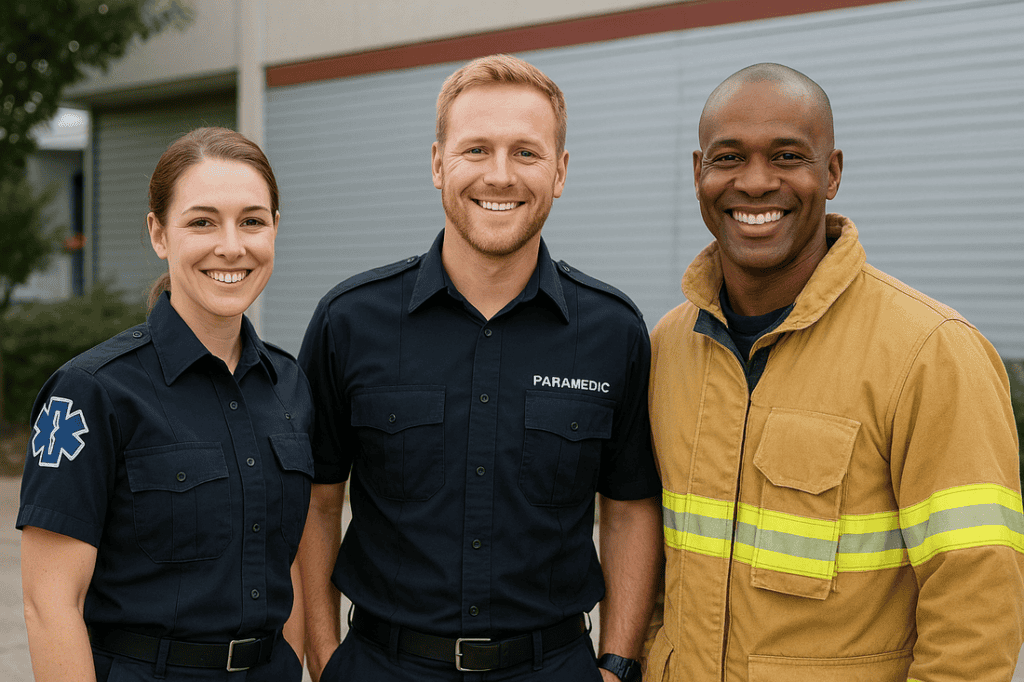
The program must be more than treating abuse/substance use disorder solely. Because they’re first responders or work in high-stress jobs, high-stress professionals could require therapies for anxiety, burnout, trauma, sleep disturbance, depression, and other factors that influence substance use. Factors in this specialized program are listed and may also be combined or selected based upon the specific needs of the patient, especially during specialized programs.
Medical diagnoses and proper detox
A crucial part of treatment is a full medical and psychological evaluation. For individuals who are physically dependent on alcohol or certain drugs, a medically supervised detox can help manage withdrawal symptoms and other related risks associated with an individual’s decision to stop.
Therapy and trauma-informed
Care Therapy can support people who have survived trauma in understanding how difficult, unpleasant events connect to negative emotions and the use of alcohol and other drugs. Treatment that focuses on trauma will help many professionals. Using proven techniques like individual, group and CBT can lead people to use healthier coping behaviors.
Dual diagnosis treatment
Since addiction can occur along with other mental health issues, such as anxiety, depression, post-traumatic stress symptoms, and chronic stress, treatment for both is often advisable.
Preserving Privacy in Therapy
The privacy of treatment may be of primary concern to those who work as law enforcement officers, emergency personnel, medical professionals, or in any profession with high levels of responsibility. Keeping things private can be beneficial sometimes. Patients think that it can reduce the image or close the doors to excellent professional careers. This is not true in any case.
It is appropriate for any quality treatment professional to outline their privacy policies with a prospective patient and discuss with them what information is considered confidential as well as conditions under which it may have to be disclosed. Once the privacy policies are well understood, the individual may feel more comfortable seeking treatment.
For the professional seeking help for addiction, keep in mind that seeking help is not a sign of weakness; it is a responsible step towards preserving relationships, personal health, career performance and future aspirations.
Selecting an appropriate addiction treatment program

Not all of these approaches will be appropriate for those in high-stress occupations. When investigating treatment options, determine if there is any program awareness of occupational trauma and the particular issues present for first responders.
Seek out a treatment provider offering:
- Individualized treatment planning
- Trauma-informed psychotherapy
- Evidence-based addiction treatment
- Mental health and dual diagnosis treatment
- Medical care as needed
- Confidentiality and privacy information
- Peer/group support
- Relapse prevention planning
- Aftercare and long-term recovery
Recovery is possible

Many people who work to help others are not exempt from addiction. People dealing with drug problems can face many different issues that need special assistance.
You do not have to ignore the things you have gone through (including painful stuff) when going through recovery. Recovery is not possible without professional help. People dealing with drug abuse and alcohol issues goes through many different hardships of stress, burnout, depression, and more. These can hamper the recovery process. Getting help from a professional can help you navigate these barriers easily. Individuals in high-pressure jobs need to get treatment so that they will be provided with the support to continue with a long-term recovery plan long-term.
If you, or someone you know working in a high-stress environment, is struggling to cope with work or has begun experiencing issues at work, your physical health or in relationships due to substance use, contacting an addiction treatment professional today is vital. Those who take precautions and talk to professionals early can get the best and most reliable results in less time.
Conclusion
If you or your loved ones are dealing with substance abuse or some kind of drug or alcohol addiction, or if they are first responders, Pine Meadows Recovery is a place to look. The professional guide you and provides you with the necessary understanding about the situation. They have many programs that are made specifically for the people who are dealing with addiction issues. You can visit their website or can call them to know more about the courses they provide.
Contact details
Website: Pine Meadows Recovery
Phone: (866) 604-6920
Email: info@pinemeadowsrecovery.com
Address: 4633 Washington Rd., Kenosha, WI 53144, USA
Frequently Asked Questions
1. Why are first responders susceptible to addiction?
First responders are subject to many factors-stress, long work hours, sleep deprivation, and repeated trauma-all of which may contribute to using substances as a way to cope.
2. What are the different kinds of addiction treatment offered to first responders?
These can include medical detox, inpatient care, group and individual therapy, trauma treatment, and planning for relapse prevention.
3. Is addiction treatment for first responders confidential?
The vast majority of treatment centers offer to maintain their patients’ privacy and are happy to explain their privacy policies to anyone considering treatment.
4. Can my substance abuse problem be treated as well as my mental health concerns in a treatment program?
You sure! Many of the total treatment plans would likely test for conditions in which anxiety, depression, trauma, exhaustion, and various mood or disorders in behavior are comorbid or comorbidity, given the prevalence of such high standards for each profession as well as drug addiction treatment for high-stress jobs.
5. Is receiving treatment for my substance abuse problem a weakness as a first responder?
Quite the opposite. Turning to a professional for help is an indicator of strength and a commitment to personal wellness, relationships and sustained professional engagement.
6. What qualities should I be looking for when choosing a treatment center for high-stress professionals?
A program with specialized professionals, a holistic approach to treatment, trauma-informed care, confidentiality and continued professional life can benefit those who engage in high-stress work.
7. Can first responders continue working while receiving addiction treatment?
Depending on the treatment protocol and individual needs, some individuals will be able to work while undergoing outpatient treatment, whereas others will need an inpatient stay.
8. How does peer support help first responders in recovery?
It can give a feeling of not being isolated by linking you with other people who know about the pressures, trauma and demands of high-stress jobs.
9. What are post-treatment sessions like?
Post-treatment can consist of counseling, group therapy, check-ins, relapse prevention exercises and other ongoing care strategies.
10. Is addiction treatment effective for alcohol dependence?
Yes. It may help an individual who has developed a dependency to alcohol through assessment, medically supervised detoxification if necessary, behavioral therapy, and aftercare.
11. When is addiction treatment recommended for first responders?
Treatment is recommended when the addiction of drug use is difficult to break and negatively impacts one’s health, relationships, work, or daily tasks.