
When Addiction Hits Home: Finding the Best Drug Rehab Centers in Kenosha WI
The best drug rehab centers in Kenosha WI offer a range of programs to help you or a loved one break free from addiction. High-quality care typically includes a variety of treatment levels tailored to the individual’s needs:
| Treatment Level | Focus | Key Benefit |
|---|---|---|
| Partial Hospitalization (PHP) | Intensive Clinical Care | High-level support with home flexibility |
| Intensive Outpatient (IOP) | Structured Therapy | Balances treatment with daily responsibilities |
| Outpatient Care | Long-term Maintenance | Continued support and relapse prevention |
| Dual Diagnosis Treatment | Mental Health Integration | Addresses underlying anxiety or depression |
Kenosha is facing a serious addiction crisis. In 2020 alone, 43 people died from opioid-related causes in Kenosha County. In 2021, there were 913 chronic alcohol emergency room visits — and 44 of 53 drug toxicity deaths involved opioids.
These are not just statistics. They represent real people, real families, and real pain.
If you’re wondering whether you or someone you love needs professional help, you’re not alone — and asking the question is already a brave first step. This article walks you through five clear signs that it’s time to seek treatment at a rehab center, so you can make a confident, informed decision.
At Pine Meadows Recovery, we specialize in helping Kenosha residents overcome substance use disorders through flexible, personalized programs — including Partial Hospitalization, Intensive Outpatient, and standard Outpatient care. As one of the best drug rehab centers in Kenosha WI, we’re here to guide you from your lowest point toward lasting recovery.
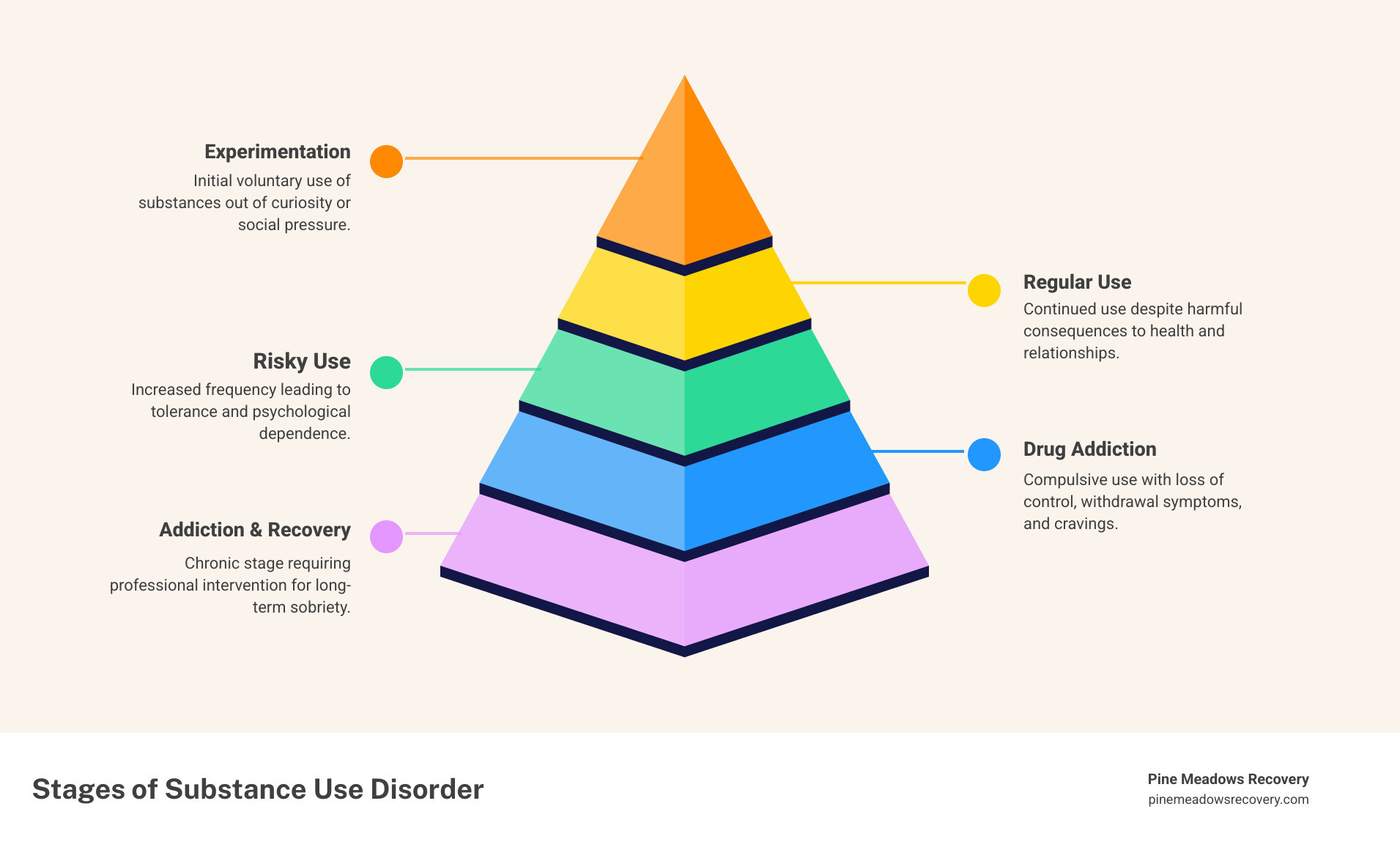
1. Escalating Physical Symptoms and Mental Health Struggles
One of the most undeniable signs that you need the help of the Best Drug Rehab Centers in Kenosha WI is when your body and mind start sending out SOS signals. Addiction isn’t just a “habit”; it is a chronic disease that rewires your brain and alters your physical chemistry.
Withdrawal Signs and Tolerance
Have you noticed that the “usual amount” just doesn’t cut it anymore? Increased tolerance is a hallmark of substance use disorder. When you need more of a substance to achieve the same effect, your body has physically adapted to the drug. Even more telling are withdrawal symptoms. If you experience tremors, nausea, sweating, or intense irritability when you try to cut back, your body has become dependent.
The Dual Diagnosis Connection
In Wisconsin, the intersection of mental health and addiction is a significant concern. Research on Wisconsin treatment options shows that nearly half of those struggling with substance abuse also deal with a co-occurring mental health disorder, such as anxiety, depression, or PTSD. This is known as a dual diagnosis.
At Pine Meadows Recovery, we understand that you cannot treat the addiction without addressing the underlying mental health struggles. If you find yourself using substances to “numb” feelings of depression or to quiet a racing mind, you are likely dealing with co-occurring disorders. You can find more info about substance abuse treatment on our dedicated page, which explains how integrated care works to heal both the mind and the body.

2. Inability to Stop Despite Negative Life Consequences
We often hear people say, “I can stop whenever I want.” But if you want to stop and find that you simply can’t—especially when your life is falling apart around you—it is time for professional intervention.
Relationship Strain and Social Isolation
Addiction thrives in the dark. You might find yourself withdrawing from family gatherings at Simmons Island Park or avoiding friends because you’re worried they’ll notice your usage. Relationship strain is often the first “external” sign. If your spouse, parents, or children are pleading with you to get help, their perspective is a vital reality check.
Career and Financial Instability
Are you missing shifts at work? Is your bank account dwindling due to “unexplained” expenses? Financial instability and job loss are major red flags. When the drive to obtain a substance outweighs the need to pay rent or perform professionally, the addiction has taken the driver’s seat.
Scientific research on addiction resources highlights that the earlier a person enters treatment, the better their chances of preserving their career and legal standing. For those who need to maintain their daily responsibilities, exploring outpatient addiction services can provide a middle ground between total immersion and no help at all.
Inpatient vs. Outpatient: Which Fits Your Life?
| Feature | Inpatient/Residential | Outpatient (PHP/IOP) |
|---|---|---|
| Living Arrangement | On-site at the facility | Live at home |
| Time Commitment | 24/7 supervision | 9–30 hours per week |
| Best For | Severe addiction, unstable home | Moderate addiction, working professionals |
| Medical Support | Full-time medical staff | Scheduled clinical sessions |
3. Understanding the Local Crisis and the Best Drug Rehab Centers in Kenosha WI
It is easy to feel like you are the only one struggling, but Kenosha’s local statistics tell a different story. Our community is in the midst of a public health crisis that requires the specialized services found at the Best Drug Rehab Centers in Kenosha WI.
The Reality of the Kenosha Statistics
The numbers for Kenosha County are sobering:
- Alcohol Deaths: In 2021, the rate of alcohol-attributable deaths was 65.3 per 100,000 residents.
- Binge Drinking: Between 2016 and 2021, the rate was 22.2 per 100,000.
- Opioid Crisis: There were 43 opioid deaths in 2020 and 85 opioid-related ER visits in 2021.
- Toxicity: Of the 53 toxicity deaths in 2021, a staggering 44 involved opioids.
These figures highlight a desperate need for Kenosha rehab options that are accessible and effective.
Specialized Care at the Best Drug Rehab Centers in Kenosha WI
Because the opioid crisis is so prevalent here, many facilities specialize in Medication-Assisted Treatment (MAT). This involves using FDA-approved medications like Suboxone, Vivitrol, or Methadone to reduce cravings and manage withdrawal symptoms.
If you are struggling with painkillers or heroin, seeking opioid addiction treatment is often the safest path. This process usually begins with a stay at one of the local detox centers to ensure the substance is cleared from your system under medical supervision.
Quality Standards of the Best Drug Rehab Centers in Kenosha WI
How do you know which center is actually the “best”? Look for the gold standards of care:
- Accreditations: Ensure the facility is accredited by The Joint Commission or CARF. These organizations verify that the center meets rigorous safety and quality benchmarks.
- Evidence-Based Therapy: The best programs utilize proven methods like Cognitive Behavioral Therapy (CBT) and Dialectical Behavior Therapy (DBT).
- Holistic Options: True healing involves the whole person. Look for holistic addiction treatment that includes yoga, nutritional counseling, or mindfulness.
- Specialized Groups: Many Kenosha centers offer tailored programs for veterans, the LGBTQ+ community, or seniors to ensure every patient feels understood and safe.
4. Failed Self-Detox and the Need for Professional Intervention
We’ve all been there—the “Monday morning” promise. You tell yourself that today is the day you quit for good. But by Tuesday evening, the cravings or the physical sickness become too much to bear.
The Danger of “Cold Turkey”
Attempting to detox on your own can be more than just difficult; for substances like alcohol or benzodiazepines, it can be life-threatening. Seizures and severe dehydration are real risks. This is why professional intervention is critical. If you have tried to quit multiple times and failed, it isn’t a sign of weakness—it’s a sign that the biological grip of the substance is too strong to break without medical help.
The Benefits of Residential and Inpatient Care
For those with a long history of relapse, a 30-day inpatient rehab stay provides the “circuit breaker” needed to stop the cycle. By removing yourself from local triggers—the liquor store on the corner or the “friends” you used with—you give your brain the space it needs to begin healing.
Residential care offers 24/7 support and a structured environment that teaches you how to live without the substance. It’s about more than just staying clean for a month; it’s about building a foundation for long-term sobriety.
5. Navigating Costs and Verifying Insurance Coverage
One of the biggest hurdles to getting help is the fear of the bill. We won’t sugarcoat it: addiction treatment is an investment. In Wisconsin, the average cost for a person seeking substance abuse treatment is approximately $56,782. Without insurance, an inpatient stay can cost about $630.91 per day.
Insurance is Your Best Ally
The good news is that most major insurance providers—including Aetna, Blue Cross Blue Shield, Medicaid, and Medicare—cover addiction treatment. Under the Affordable Care Act, substance use disorder services are considered “essential health benefits.”
If you are worried about the price tag, there are several paths to explore:
- Private Insurance: Often covers a significant portion of PHP, IOP, and residential care.
- Medicaid/Medicare: Wisconsin’s public behavioral health system served 658 Kenosha residents in 2020. Many local clinics accept these plans.
- Low-Cost Options: There are free rehab options and sliding-scale facilities in the Kenosha area for those without traditional coverage.
How to Verify Your Coverage
Don’t let the paperwork stop you. Most of the best drug rehab centers in Kenosha WI have admissions teams that will do the heavy lifting for you. Simply call the facility with your insurance card handy, and they can verify your benefits in minutes, telling you exactly what your out-of-pocket costs will be.
Frequently Asked Questions about Kenosha Rehab
What is the difference between inpatient and outpatient rehab in Kenosha?
Inpatient (or residential) rehab requires you to live at the facility full-time. It is best for those with severe addictions or unstable home lives. Outpatient rehab—like the programs we offer at Pine Meadows Recovery—allows you to live at home while attending therapy sessions during the day or evening. This is ideal for those who have work or family commitments but still need intensive clinical support.
Does Wisconsin Medicaid cover drug and alcohol detox?
Yes, Wisconsin Medicaid (BadgerCare Plus) typically covers medically necessary detox services. However, it is important to choose a facility that is a registered Medicaid provider. Many outpatient MAT clinics in Kenosha also accept Medicaid for ongoing treatment.
How long does a typical residential treatment program last?
Most residential programs start with a 30-day stay, though many people find that 60 or 90 days provide a much stronger foundation for recovery. The length of stay usually depends on the severity of the addiction, the presence of co-occurring mental health issues, and the individual’s progress in meeting clinical goals.
Conclusion
Deciding to seek help is one of the most significant choices you will ever make. Whether you are noticing the physical toll of withdrawal, the strain on your family, or the weight of Kenosha’s local addiction statistics, know that recovery is possible.
At Pine Meadows Recovery, we pride ourselves on being among the best drug rehab centers in Kenosha WI. Our approach is simple: we treat you as a whole person, not just a diagnosis. By combining evidence-based clinical therapies with a warm, holistic environment, we help you uncover the root causes of your addiction and give you the tools to stay sober for life.
You don’t have to navigate this alone. Take the first step toward a brighter, healthier future today. Start your journey at the best drug rehab centers in Kenosha WI and rediscover the life you were meant to live.